
Peru is more than a destination: it’s a promise. An invitation to walk among mountains that hold ancient stories, to touch stones placed with a precision that still defies time, and to feel how the spirit of a powerful culture continues to breathe in every valley, in every sunrise, in every ancestral ritual.
Exploring the facts about the Inca culture is to open a door to a world where nature, gods, and human beings coexisted in perfect harmony. The Incas not only built impossible cities on cloud-shrouded peaks; they created a way of life in which every detail had a purpose, every landscape a lesson, and every tradition a divine spark.
If you’re planning your next trip to Peru, this guide is your travel companion. Here you’ll discover 25 fascinating facts that will allow you to better understand the grandeur of the Tahuantinsuyo (Inca Empire) and prepare you to experience the country not just as a tourist, but as an explorer, a dreamer, and a guardian of the past.
The origins and rise of the Inca civilization
Before becoming the mighty rulers of South America, the Incas were just one of many tribes living in the highlands of Cusco. Over time, their vision, organization, and belief in divine purpose allowed them to create an empire that would dominate the Andes for centuries.
These early years are full of myths, conquests, and fascinating details that show how the Incas grew from a small community into a powerful civilization admired worldwide.
1. From a small tribe to a vast empire
The Incas began as a small group settled in the fertile valley of Cusco around the 13th century. Through strategic alliances and careful planning, they expanded their influence across the Andes, conquering different tribes and incorporating their knowledge and customs. This combination of diplomacy and strength allowed them to establish the Tahuantinsuyo, the “Land of the Four Regions.”
At their height, the Inca Empire stretched over 4,000 kilometers, making it the largest empire in pre-Columbian America. Their ability to unify diverse cultures under one rule is one of the most remarkable facts about Inca culture that still fascinates anthropologists today.
2. The importance of Cusco as the empire’s heart
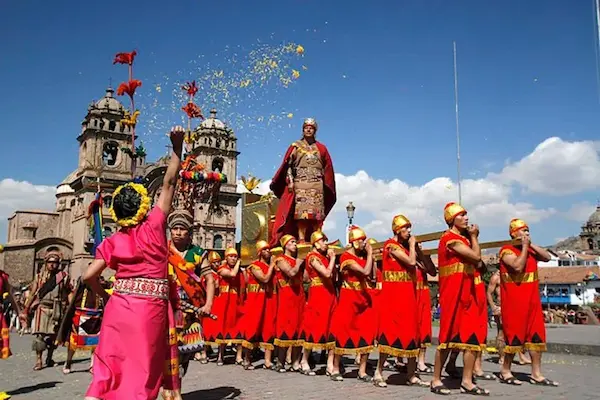
Cusco, known as the “navel of the world,” was the political, religious, and cultural center of the Inca Empire. Designed in the shape of a puma a sacred animal symbolizing strength — the city reflected the Incas’ cosmic vision and connection to nature.
Temples, palaces, and plazas were built using perfectly cut stones that have survived centuries of earthquakes. The city’s layout represented harmony between humans and the divine, another impressive example of the Inca worldview.
3. The divine origin of the Incas
According to legend, the first Incas were sent by the sun god Inti to bring civilization and order to the world. Manco Cápac and Mama Ocllo emerged from Lake Titicaca and founded Cusco, marking the beginning of the Inca dynasty.
This belief granted the Sapa Inca — the emperor — divine authority, positioning him as both political leader and spiritual intermediary. This union of power and religion shaped every aspect of daily life, showing how deeply spirituality influenced Inca culture and traditions.
4. A highly structured society
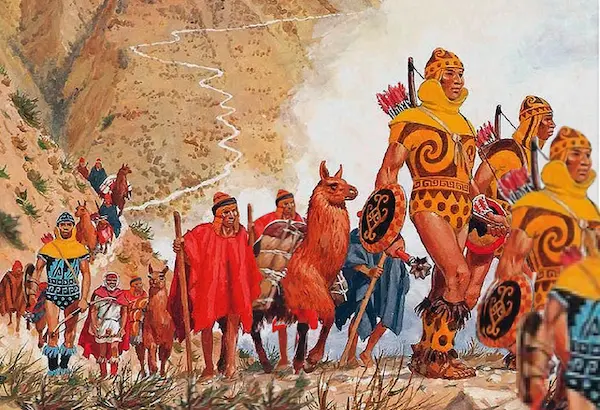
Inca society was divided into classes, with the Sapa Inca and his family at the top, followed by nobles, priests, artisans, and farmers. Each class had specific duties and privileges that contributed to the functioning of the empire. Nobles oversaw administration, while farmers ensured the population was fed.
This system promoted unity and order. Rather than working for individual gain, the Incas prioritized community service — a value still seen today in traditional Andean practices like minka (communal work).
5. The ayllu: the base of Inca community life
The ayllu was the fundamental social unit in Inca society — a group of families who shared land, resources, and labor. Each ayllu worked together to cultivate crops, raise animals, and support each other in daily life.
This communal model created a sense of belonging and mutual responsibility. The concept of ayllu still exists in many rural areas of Peru, demonstrating how ancient Inca values of cooperation and balance endure through time.
6. The role of women in Inca society
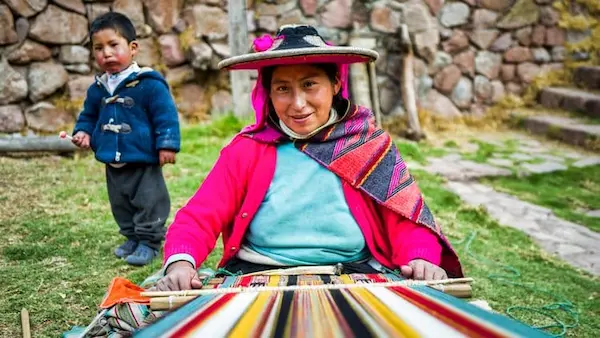
Women in Inca culture had important responsibilities in both family and religious life. They managed households, produced fine textiles, and played key roles in ceremonies dedicated to Pachamama, the Earth Mother.
Some women, known as Acllas or “Chosen Women,” lived in temples and served the sun god Inti. Their work symbolized purity, devotion, and the sacred role of women in maintaining spiritual balance — one of the lesser-known but fascinating facts about Inca culture.
7. Master builders without mortar
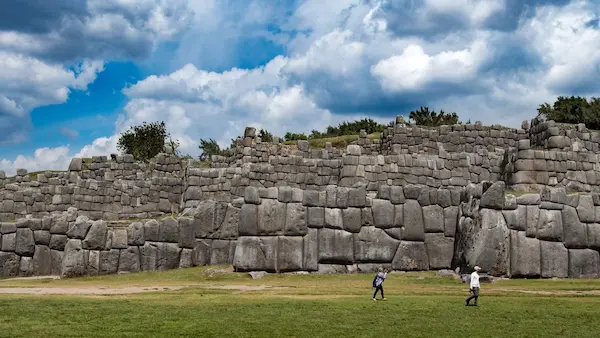
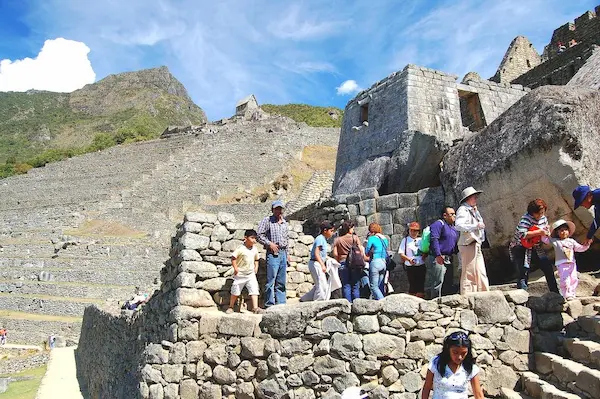
Inca architecture is world-renowned for its precision. The Incas built stone structures so perfectly fitted that no mortar was needed. This technique made their buildings resistant to earthquakes, a vital adaptation in the Andean region.
Machu Picchu, Sacsayhuamán, and Ollantaytambo are examples of this engineering genius. These masterpieces show not only technical skill but also an aesthetic connection to the landscape, blending human creativity with nature’s power.
8. An advanced agricultural system
Agriculture was the foundation of Inca life. They developed terrace farming — carved into mountain slopes — to maximize land use and prevent erosion. These terraces created microclimates that allowed them to grow crops like potatoes, maize, and quinoa at different altitudes.
The Incas also built complex irrigation canals that distributed water efficiently. Their respect for the land and mastery of sustainable farming continue to serve as inspiration for modern agriculture in the Andes.
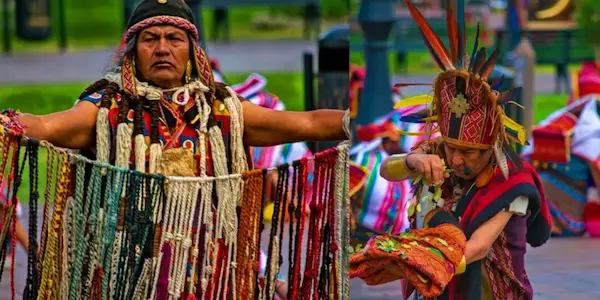
9. The mysterious quipu — the Inca “computer”
The quipu was a system of colored, knotted cords used to record information. Each knot and color represented specific data, such as population counts, taxes, or food storage. It functioned as both a memory tool and a communication system.
Although its full meaning remains a mystery, many researchers consider the quipu one of the earliest forms of data recording in human history — a clear sign of the Incas’ intellectual sophistication.
10. Worship of the sun, moon, and earth
The Incas were polytheistic, worshipping gods representing natural elements. Inti, the sun god, was the most important deity, followed by Mama Killa (the moon) and Pachamama (Mother Earth).
Rituals, offerings, and festivals were performed to ensure good harvests and harmony between people and nature. This deep spiritual connection helped the Incas maintain a sustainable relationship with their surroundings.
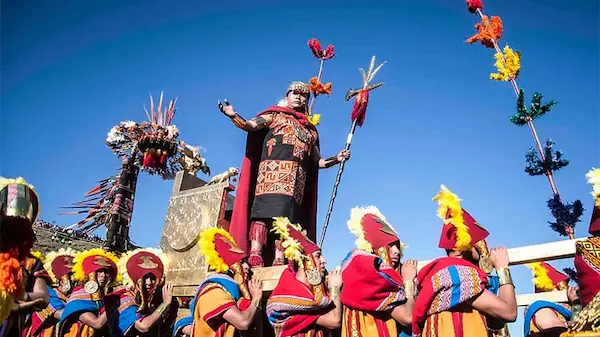
11. The Inti Raymi festival
Inti Raymi, the Festival of the Sun, was the most important celebration of the Inca calendar. Held during the winter solstice, it honored the sun god Inti and symbolized the renewal of life and energy.
Even today, Inti Raymi is celebrated in Cusco every June, attracting thousands of visitors. This living tradition is a powerful reminder of how Inca customs continue to influence Peruvian culture.
12. Sacred sites and temples
The Incas built magnificent temples and sacred sites where they connected with their gods. The Temple of the Sun (Coricancha) in Cusco was one of the most revered places, adorned with gold that reflected the sunlight during ceremonies.
Machu Picchu also had temples dedicated to the sun and stars, showing the Incas’ astronomical knowledge. These structures reflect their belief that architecture was not just functional — it was spiritual.
13. The vast Inca road system
The Inca road system, known as Qhapaq Ñan, was one of the most impressive engineering feats of the ancient world. With over 40,000 km of roads connecting mountains, deserts, jungles, and major cities, it enabled the rapid movement of armies, messengers, and merchant caravans throughout the Inca Empire. Its design was perfectly adapted to the geography, utilizing staircases, retaining walls, and suspension bridges that still amaze with their precision.
Today, many of these roads remain in use, especially in areas near Cusco and Machu Picchu. Travelers who wish to experience this ancient network opt for specialized routes such as Machu Picchu tours, which allow them to explore authentic sections of the Qhapaq Ñan while enjoying unique landscapes, living history, and the very same route used by Inca messengers and nobles. This direct connection to the past transforms the experience into a true cultural adventure.
14. The chasquis: messengers of the empire
The chasquis were elite runners who carried messages and goods across the empire using the road system. They worked in relay teams, ensuring messages could travel hundreds of kilometers in a single day.
Their work kept the empire connected and organized — an impressive logistical system in a world without written language or modern transportation.
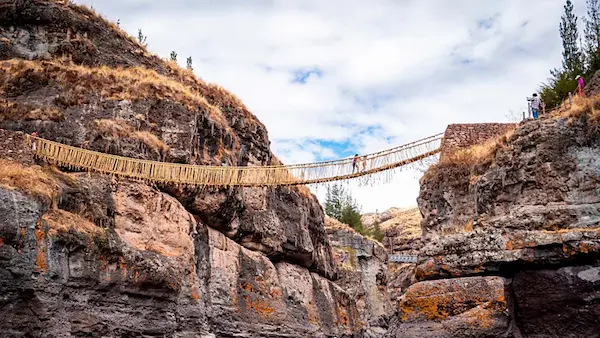
15. Bridges and tunnels ahead of their time
To cross deep valleys and rivers, the Incas built suspension bridges made from woven plant fibers. These bridges were durable, flexible, and regularly maintained by local communities.
This level of engineering demonstrates the Incas’ deep understanding of materials and nature. Some modern Andean communities still rebuild these bridges annually, preserving a living tradition of ancient ingenuity.
16. Inca textiles: art and social status
Weaving was a sacred art in Inca culture. The designs and colors of textiles reflected not only beauty but also social rank and regional identity. The finest garments were reserved for nobles and religious ceremonies.
Each pattern held symbolic meaning, representing elements like mountains, animals, or stars. These textiles were so valuable that they were often offered to gods as a form of tribute.
17. Food and agriculture diversity
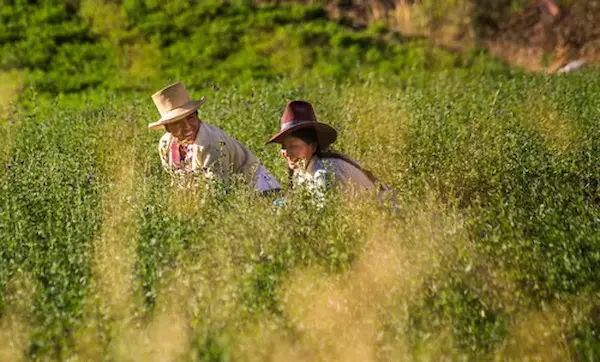
The Incas cultivated more than 200 types of potatoes and dozens of maize varieties. Their diet was rich in native ingredients like quinoa, chili peppers, and coca leaves, which provided energy and nutrition in high altitudes.
They also developed advanced storage systems called qullqas, which preserved food for years — a key factor in surviving droughts or harsh seasons.
18. The Inca military system
The Inca army was one of the most organized institutions of the Tahuantinsuyo. Every man of working age received basic training to serve when the state needed him. Thanks to their discipline, knowledge of the terrain, and strategic ability, they managed to expand the empire across vast and diverse territories.
To understand in depth how the Incas moved, organized resources, and maintained control of routes across thousands of kilometers, many modern travelers choose to explore these areas with the help of a Peru tour operator, who knows the local history and guarantees a safe and authentic experience. In this way, the empire’s military and logistical legacy comes alive as visitors travel along ancient paths once trodden by warriors and messengers.
19. Music and traditional instruments
Music played an essential role in Inca rituals, celebrations, and communication. They used flutes, drums, and conch shells to accompany dances and ceremonies dedicated to gods and nature.
Each melody carried symbolic meaning — representing rain, fertility, or gratitude. These musical traditions survive in many Andean festivals, showing the living rhythm of Inca cultural heritage.
20. Inca medicine and healing practices
The Incas practiced advanced medicine using herbs, minerals, and even surgical techniques. They treated wounds, bone fractures, and diseases with remarkable precision and knowledge.
Archaeologists have found evidence of successful skull surgeries (trepanations), proving their understanding of anatomy and healing long before modern medicine.
21. Inca art and symbolism
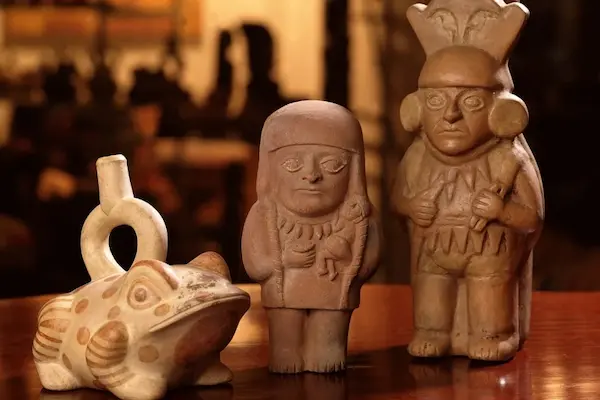
Inca art was deeply spiritual. Every sculpture, pottery piece, or metalwork item represented harmony between humans, gods, and nature. Gold and silver were seen not as wealth, but as symbols of the sun and moon.
Through their art, the Incas expressed gratitude and connection to the cosmos — a constant theme that defined their worldview and continues to fascinate researchers today.
22. Inca traditions that survive in modern Peru
Many rural communities in Peru still practice traditional Inca agricultural techniques, celebrate ancient festivals, and live according to the lunar calendar. These customs keep their connection with nature and ancestors alive.
Festivals like Inti Raymi and rituals honoring Pachamama remind us that spirituality and gratitude remain essential parts of Andean identity.
23. The Quechua language as a living heritage
Quechua, the language of the Incas, is still spoken by millions of people across South America. It carries centuries of history, myths, and wisdom that define Andean culture.
By preserving Quechua, communities maintain not only a language but also a worldview rooted in respect for nature and human connection — one of the most powerful facts about Inca culture.
24. Global recognition of Inca achievements
Today, Inca heritage continues to inspire scientists, artists, and travelers worldwide. Sites like Machu Picchu are celebrated as UNESCO World Heritage landmarks and attract millions of visitors each year.
Their architectural mastery, sustainable practices, and spiritual harmony continue to offer lessons for a modern world seeking balance between progress and preservation.
25. The Inca calendar and their understanding of time
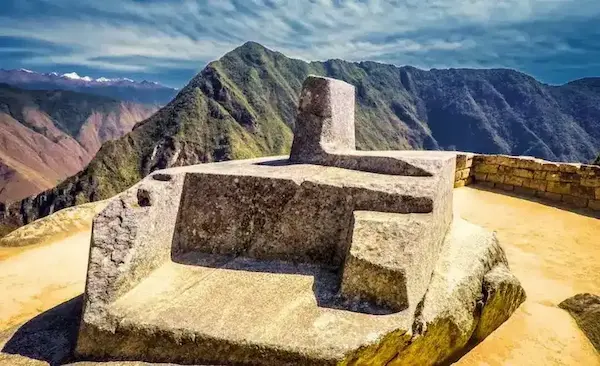
The Incas measured time through a complex calendar based on the movement of the sun, moon, and stars. This system helped them determine the best times for planting, harvesting, and celebrating religious festivals.
Their observatories, like the Torreón at Machu Picchu, show their precise astronomical knowledge. For the Incas, time was not linear — it was cyclical, connected to natural rhythms and divine cycles.
Why learning about Inca culture still matters
Traveling to Peru is about awakening your inner world. When you learn about the history of the Incas, you understand that this land isn’t just traversed on foot: it’s felt, breathed, and honored. Every fact, every tradition, and every legacy you discover is a compass that will help you see the country with new eyes—with curious, courageous eyes, open to mystery.
These facts about Inca culture aren’t just statistics; they are fragments of a civilization that lives on in the smiles of the Andean people, in the streets of Cusco, in the textiles that tell stories, and in the paths that still await exploration. Peru calls you not only to learn about it, but to protect it, to experience it, and to dream about it.
So go ahead: prepare your boots, your heart, and your adventurous spirit. The Peru of the Incas awaits you with open arms, ready to offer you experiences you’ll remember for a lifetime.