The Cruz Velacuy in Cusco is one of the most meaningful religious and cultural celebrations in the Andean region. Blending Catholic devotion with ancient Andean traditions, this festival honors the Holy Cross through music, dance, offerings, and vibrant community gatherings. Celebrated each year on May 2 and 3, it transforms Cusco’s historic neighborhoods into spaces of faith, color, and deep-rooted cultural expression.
For travelers, the Cruz Velacuy offers a rare opportunity to witness living Andean spirituality—an experience where centuries-old traditions come alive in the streets, hillsides, and family chapels of Cusco. Whether you’re interested in culture, anthropology, history, or simply authentic local experiences, this festival provides a powerful window into the soul of the Andes.
What is Cruz Velacuy?
The Cruz Velacuy in Cusco is one of the most meaningful religious and cultural celebrations in the Peruvian Andes. Held every year on May 2 and 3, this festival honors the Holy Cross through a syncretic blend of Catholic devotion and ancient Andean spirituality. Families, brotherhoods, and communities come together to celebrate with masses, traditional dances, music, offerings, and processions that fill the streets with color and faith.
This festivity is much more than a religious event—it is a vibrant expression of identity and cultural continuity. Through rituals and ceremonies, the people of Cusco honor both the Christian symbol of the cross and the Andean belief in sacred mountains, known as apus, that protect the land and its people.
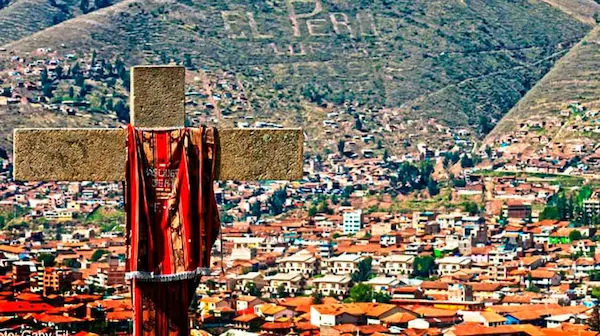
Origin of the Cruz Velacuy festival
The origin of Cruz Velacuy in Cusco dates back to the colonial period, when Spanish missionaries introduced the cult of the Holy Cross. To facilitate acceptance among Andean communities, the Christian tradition blended with pre-Hispanic beliefs that revered mountains as divine protectors. This fusion gave rise to a uniquely Andean expression of Christianity, where the cross is venerated in temples, homes, and hilltops across Cusco.
A syncretic blend of faith
The festival reflects a deep cultural fusion between Catholic symbolism and the Andean worldview. Rituals such as flower offerings, hilltop ceremonies, and processions accompanied by traditional dances reveal the coexistence of two spiritual traditions that enrich each other.
The significance of the cross in Andean culture
Beyond its Christian meaning, the cross represents a point of connection between the earthly and spiritual worlds. In Andean cosmology, it symbolizes protection, harmony, and balance, linking communities with the sacred mountains believed to guard them.
How long does the Feast of the Crosses last?
The Feast of the Crosses officially takes place on May 2 (Vespers) and May 3 (Main Day). In some regions of Cusco, celebrations extend to May 4, depending on local customs and traditions.
The main days of the celebration
On May 2, communities gather for evening vigils, preparing the crosses with decorations, candles, flowers, and ceremonial garments. On May 3, masses, processions, dances, and communal festivities fill the region with music and devotion.
Activities during the festival
Typical activities include:
- Masses in churches and chapels
- Processions carrying decorated crosses
- Traditional dances accompanied by musicians
- Communal meals and festive gatherings
- Blessings for families, animals, and household crops
Cities where the Cruz Velacuy festivity is held
Cities where the Cruz Velacuy festivity is held
Although the Festival of the Cross is celebrated throughout Peru, three regions stand out for their vibrant traditions, deep cultural symbolism, and unique ways of honoring the Holy Cross. These regions—Cusco, Ayacucho, and Apurímac—express the spirit of Cruz Velacuy in Cusco and surrounding areas through rituals that preserve centuries-old customs and strengthen community bonds.
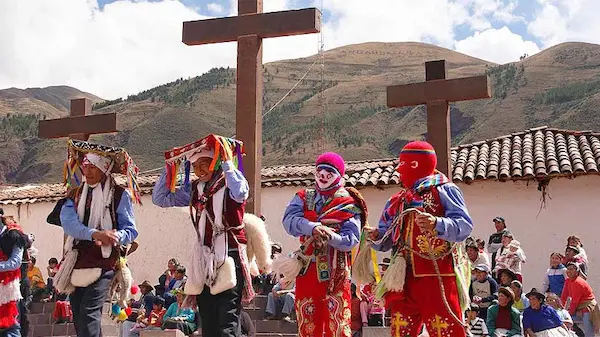
Cusco: devotion, tradition, and historic neighborhoods
Cusco is the heart and most emblematic setting of the Cruz Velacuy in Cusco celebration. Throughout the region, crosses located on hilltops, temples, and family chapels become the center of ceremonies that combine Christian devotion with ancestral Andean spirituality. The festival takes on a special intensity in traditional neighborhoods such as San Blas (Toq’ocachi), San Cristóbal (Colqampata), and Santa Ana (Qarmenq’a).
Historic neighborhoods and their traditions
In these neighborhoods, families carefully decorate their crosses with embroidered mantles, flowers, silver ornaments, and candles. Community members carry the crosses in processions through narrow cobblestone streets, accompanied by local brotherhoods who have safeguarded these traditions for generations.
Dances and music in the streets
Traditional dance troupes—often dressed in colorful and symbolic attire—perform routines while Andean bands play lively melodies. The combination of drums, flutes, and charangos creates a festive and spiritual atmosphere that echoes through the entire city.
How Cusco lives the festival
The celebration goes beyond the religious ritual; it becomes a communal gathering. After processions and masses, families organize large feasts featuring Cusqueñan dishes, chicha, and local desserts. These gatherings strengthen intergenerational bonds and celebrate the cultural identity of the city.
Ayacucho: color, music, and celebration
Ayacucho is renowned for its artistic expression and devotion, making its Cruz Velacuy celebration highly distinctive. The region blends solemn rituals with colorful displays of creativity and faith.
Crosses carried to the hilltops
In districts such as Huamanga, Quinua, and Cangallo, locals embark on spiritual walks carrying beautifully decorated crosses up nearby hills. Along the way, families sing devotional songs while fireworks illuminate the sky, marking the beginning of the celebration.
Flower carpets and handmade decorations
Ayacucho’s artistic tradition shines during Cruz Velacuy. Residents create elaborate flower carpets, intricate paper ornaments, and handmade decorations to welcome the crosses back from their symbolic pilgrimage. These artistic expressions reflect both devotion and the region’s rich cultural heritage.
Light, dance, and devotion
At night, communities light candles and lanterns, illuminating streets and plazas. Dance groups perform under the warm glow of hundreds of flickering lights, turning Ayacucho into a vibrant space filled with music, prayer, and unity.
Apurímac: faith, culture, and ancestral rituals
Apurímac offers one of the most spiritually profound versions of the Festival of the Cross. Here, Catholic practices coexist harmoniously with ancient Andean rituals, revealing a deep connection with nature and community values.
Beginning with an offering to Pachamama
Many celebrations in Apurímac begin with a pago a la tierra, an offering to Pachamama (Mother Earth). Families and community leaders present coca leaves, chicha, flowers, and symbolic foods, asking for protection, abundance, and good harvests.
Traditional attire and festive dances
Participants wear distinctive regional clothing adorned with colorful embroidery. The festival is accompanied by lively dances, each with its own symbolism, performed in plazas and neighborhoods while families prepare traditional dishes for everyone to share.
A living expression of Andean identity
Apurímac’s version of Cruz Velacuy showcases the strength of its cultural roots. The coexistence of Christian and Andean rituals reflects the resilience and spirituality of the region’s people. For many locals, participating in this celebration is both a duty of faith and an affirmation of identity.
Cultural and religious significance of Cruz Velacuy in Cusco
The festival embodies centuries of cultural dialogue between the Andean world and Christianity.
A bridge between two belief systems
Cruz Velacuy seamlessly brings together the Christian symbol of the cross and the Andean reverence for sacred mountains, highlighting cultural resilience and adaptation.
The role of the apus
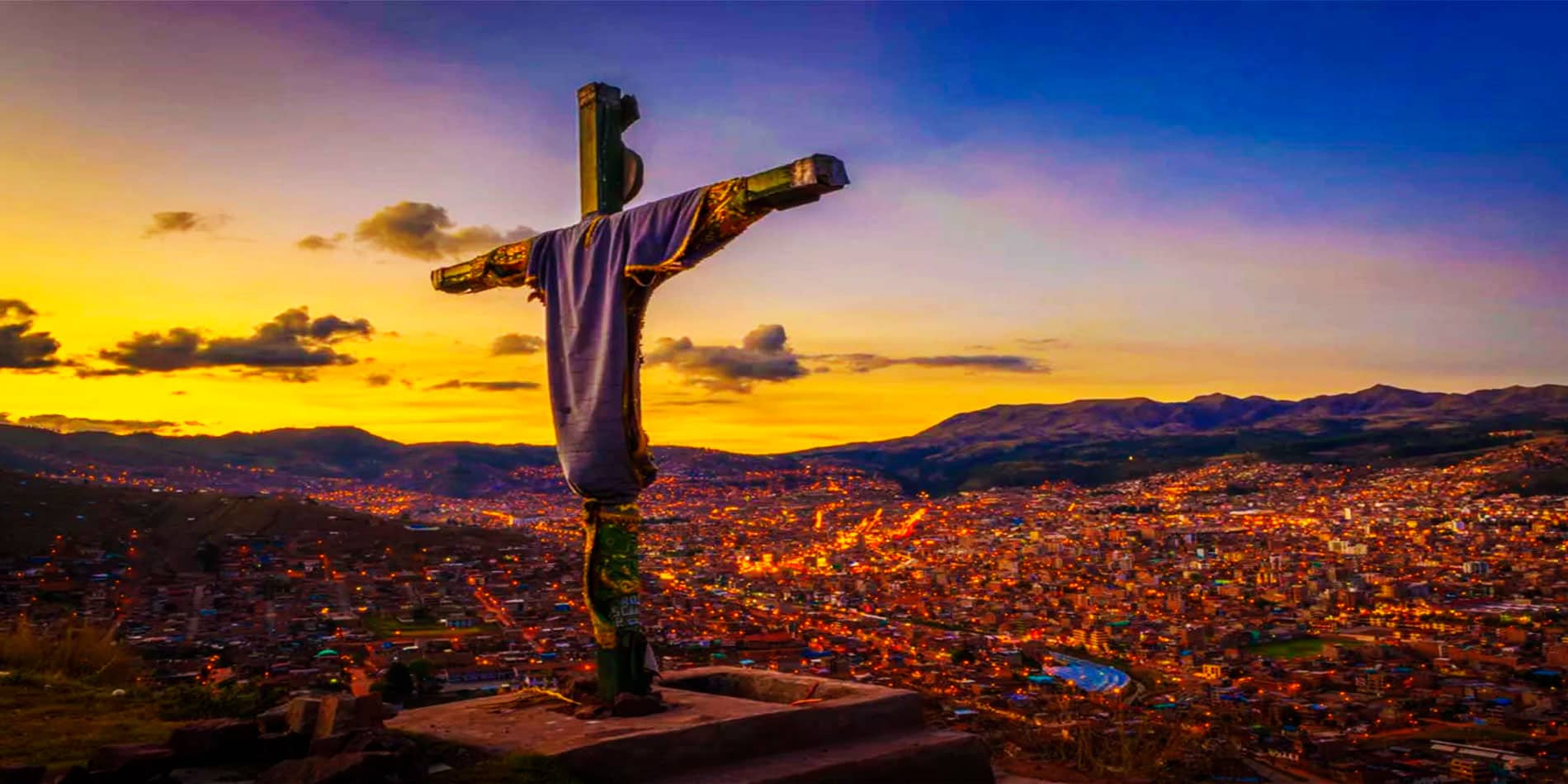
For Andean communities, the apus—mountain spirits—remain protectors of families, animals, and crops. The cross is often placed on hilltops as a physical and spiritual link to these powerful guardians.
Why the festival endures
The festival continues to thrive because it reinforces community bonds, preserves ancestral knowledge, and strengthens spiritual identity across generations.
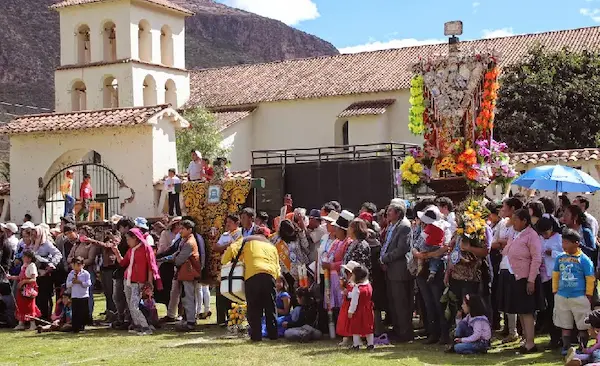
How travelers can experience Cruz Velacuy in Cusco
Travelers visiting Cusco during Cruz Velacuy have a unique opportunity to witness one of the most heartfelt expressions of Andean devotion. This celebration, held every May, brings communities together to honor their sacred crosses through music, processions, and traditional rituals. For visitors, it offers an immersive cultural experience that blends spirituality, symbolism, and community pride. With the right preparation and respect, travelers can observe the festivities in an authentic and meaningful way.
Best places to experience the celebration
The most vibrant and traditional Cruz Velacuy events take place in Cusco’s historical neighborhoods and surrounding communities. In San Blas, you’ll find intimate ceremonies held in front of family and communal crosses, often accompanied by music and offerings. San Cristóbal hosts some of the largest gatherings, where decorated crosses are carried through narrow streets in colorful processions. Santa Ana, known for its strong local identity, preserves deeply rooted rituals that have been passed down through generations.
Beyond the city center, rural communities around Cusco celebrate Cruz Velacuy with great devotion, offering travelers a more traditional perspective on the festival and its ancestral symbolism.
Participating with respect
Respectful participation is essential to ensuring that Cruz Velacuy remains an authentic and community-centered celebration. Travelers should avoid stepping into ceremonial spaces unless invited, maintain silence during prayers or blessings, and keep a respectful distance from the cross bearers. Flash photography should be avoided during processions or rituals involving offerings, as these moments carry deep spiritual significance for local communities. When in doubt, follow the guidance of local residents or event coordinators—most are welcoming and appreciate visitors who show genuine cultural sensitivity.
What to expect
Cruz Velacuy fills Cusco with a vibrant display of devotion and festivity. Visitors can expect traditional music, often played by local bands accompanying processions through streets and plazas. Colorful dances, performed by groups dressed in handmade costumes, add rhythm and storytelling to the celebration. Decorated crosses, adorned with flowers, fabrics, and symbolic ornaments, become the centerpiece of each procession. The city comes alive with gatherings of families, community members, and visitors who share in the spirit of gratitude and protection that this festival represents.
Whether observing a quiet ceremony in a local barrio or a lively procession in the main plaza, travelers will find Cruz Velacuy to be a deeply meaningful and culturally rich experience.
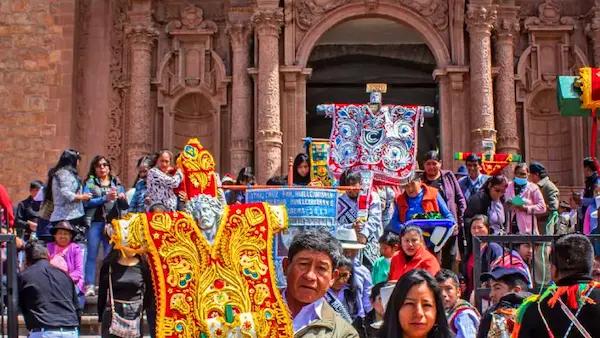
Travel tips for visitors
Travelers attending Cruz Velacuy in Cusco should keep the following recommendations in mind:
Weather and clothing: May is the start of the dry season, with warm days and cold nights. Bring:
- Warm layers
- A windbreaker or jacket
- Comfortable walking shoes
Behavior in sacred spaces: Respect altars, crosses, and ceremonial activities. Always ask before taking close-up photos.
Practical logistics:Expect crowds in main areas, and consider arranging transportation or tours in advance.
The living legacy of Cruz Velacuy in Cusco
The Cruz Velacuy in Cusco stands as a powerful symbol of cultural fusion, devotion, and Andean identity. More than a religious holiday, it is a celebration that unites communities through music, ritual, and faith—a reminder of the enduring spirit of the Andes.
This festival not only preserves ancient traditions, but also invites travelers to witness a living cultural heritage that continues to thrive year after year.