The Sacred Valley of the Incas stands as a multifaceted area within Cusco, encompassing ancestral settlements, remnants of ancient structures, community marketplaces, outdoor pathways, and a pivotal position linking Cusco to Machu Picchu. This compilation assembles essential details for organizing a journey: locations to examine organized by locale, suitable pursuits aligned with individual preferences, navigation methods, favorable visiting periods, elevation considerations alongside operational suggestions, and precise data on admissions including the Cusco Tourist Ticket.
Further sections cover dining suggestions and establishments, accommodation options, and resolutions to frequent inquiries, enabling itinerary construction with assurance and optimal utilization of available duration in the region.
Defining the Sacred Valley
Examine the Sacred Valley of the Incas, recognized for its exceptional productivity. In this expanse, planted elements yield substantial outputs of superior quality. The Incas designated it as sacred, attributing divine favor to these grounds.
The Urubamba River, alternatively termed Vilcanota—derived from Quechua willka (sacred) and nota (river)—receives contributions from minor tributaries and waterways descending from adjacent elevations, profound depressions, and remote glacial summits. These flows sustain agricultural zones producing diverse yields across varying heights, including oversized white maize, tubers like potatoes, grains such as kiwicha and quinoa, legumes, barley, and wheat.
These productive territories maintain a temperate environment throughout the annual cycle. Their configurations, guarded by prominent Andean formations, motivated the Incas to establish notable residences, urban centers, and oversight stations, frequently oriented toward significant astronomical occurrences. The Sacred Valley in Cusco integrates historical layers, cultural elements, and environmental diversity, positioned for thorough investigation.
Locating the Sacred Valley in Peru
The Sacred Valley occupies a segment of the Peruvian Andes, positioned approximately 30 to 60 kilometers northeastward from Cusco, the prior Inca administrative center, and proximate to Machu Picchu. It extends through the Urubamba and Calca administrative divisions, incorporating multiple subsections.
Historical Overview
The Sacred Valley possesses an extensive chronicle spanning millennia. Its fertile characteristics facilitated occupations by various societies, culminating in the Inca period. Subsequent eras have imprinted the territory, observable presently in its pathways, communities, and edifices.
Pre-Inca Phase
Occupation of the Sacred Valley dates to pre-Hispanic epochs, supported by its arable soil, water availability, and moderated climate. Groups like the Killke and Wari influenced the region, advancing cultivation methods such as andenes (terraced platforms), expressive crafts in fabrics and pottery, and structured habitats reflecting societal organization and stratification.
Inca Phase
Inca expansion commenced around the 1200s, with Cusco as the focal point. The valley’s prolific output supplied sustenance and materials across Inca domains. Consequently, an elaborate pathway system emerged for conveyance, rituals, elite transit, and governance. This incorporated storage facilities, rest areas, consecrated zones, and Inca settlements distributed throughout.
These conduits held tactical placements: facilitating connections to jungle sectors inhabited by Antis populations, while functioning as martial corridors and protective barriers. Thus, they secured the valley and primarily Cusco.
Within the valley, Incas enhanced agricultural practices, encompassing broad andenes, implements for tilling, filtration for precipitation, irrigation networks, and reservoirs enabling near-continuous cultivation. Astronomical stations guided their planting schedules with remarkable accuracy.
As historian Clements Markham detailed in his explorations of Inca territories during the 1800s, “The valleys of the Andes, with their engineered terraces and water systems, demonstrate the Incas’ mastery over challenging terrains, turning them into bountiful providers for an empire.”
Conquest and Colonial Phase
Post-1500s Spanish arrival, the Sacred Valley underwent substantial modifications. Populations shifted, with new settlements overlaid on Inca foundations. Introductions included crops like barley and wheat, alongside livestock varieties, accompanied by extensive religious conversion initiatives.
Despite these, numerous Inca habits, observances, and cultivation approaches persisted, integrating into contemporary existence.
Contemporary Phase
Presently, the Sacred Valley attracts global visitors through its monumental archaeological remnants, alongside Andean groups sustaining venerable customs and landscapes of notable aesthetic value.
Conventional Inca agronomy, fabric production, and ceramic work continue. Regional creators and cultivators transmit this expertise intergenerationally, maintaining heritage amid temporal progression.
Climate in the Sacred Valley
The Sacred Valley in Cusco experiences a subtropical highland pattern, with moderated temperatures prevailing annually. Nonetheless, distinctions arise between arid and precipitation-dominated intervals.
Arid Interval (April to October)
This phase generally suits visits to the Sacred Valley. Conditions remain predominantly dry, featuring unobstructed daylight and cooler evenings. Daytime readings span approximately 20°C to 25°C (68°F to 77°F), with nocturnal drops to 0°C to 5°C (32°F to 41°F). Winter manifests mildly, influenced by equatorial proximity, avoiding extremes seen in distant latitudes.
Precipitation Interval (November to March)
Downpours occur regularly, though seldom persistently. Temperatures hold steady, with daytime peaks at 18°C to 22°C (64°F to 72°F) and evenings at 7°C to 10°C (45°F to 50°F). Humidity elevation during this span imparts a warmer sensation, akin to moderated summer.
Each interval offers distinct attributes for the Sacred Valley.
Locations to Examine in the Sacred Valley
The Sacred Valley divides between Calca and Urubamba provinces in Cusco. Abundant in historical remnants, environmental features, and ongoing traditions, it ranks among Peru’s principal areas. The ensuing outline details examinable sites by settlement, progressing southeast to northwest along the river’s flow.
San Salvador
Positioned at the valley’s southern extremity, at 3,053 msnm (metros sobre el nivel del mar, meters above sea level), this modest locale holds sentimental value for Cusco inhabitants. It hosts a prominent devotional site: the Sanctuary of Señor de Huanca. Annually, multitudes participate in commemorations and processions originating from Cusco. Attendees from adjacent nations like Bolivia, Chile, Argentina, and Paraguay frequently appear.
- Señor de Huanca Commemoration (September 14)
- Our Lady of the Rosary Observance (October 6)
Pisac
Situated 33 kilometers from Cusco, Pisac originated as an Inca habitat on Apu Inti Huatana slopes. Its nomenclature stems from Quechua p’isaqa, denoting a reserved avian species, the Andean tinamou (Nothoprocta ornata).
During Inca eras, Pisac constituted an expansive center with defensive towers (pucaras), extensive andenes, storage units (qolqas), hydraulic conduits, ritual springs, interment zones, and celestial observation points, indicating sophisticated spatial arrangement.
Post-conquest, under Viceroy Toledo in colonial times, Pisac’s colonial configuration emerged at the base, fostering commercial and communal growth.
The area gains recognition for its craft marketplace, the Pisac Market, offering metallic works (gold, silver, copper), glass items, woven goods, artworks, and distinctive mementos. Additional features encompass:
- Pisac Archaeological Zone
- Potato Preservation Area
- Pisac Settlement and Temple
- Pisac Conventional Marketplace
Taray
This minor community resides on the river’s left margin at 3,050 msnm. A pathway from Cusco to Pisac traverses one incline, affording broad valley panoramas.
The Taray overlook serves as a standard halt for circuits in this direction. Taray’s primary elements include:
- Taray Overlook
- Taray Settlement and Temple
- Ccaccaccollo Group
- Our Lady of the Rosary of Taray Observance (September 26)
Coya
At 2,920 msnm, this zone formerly contained an Inca center obliterated by a Yanamayo River-induced landslide. Coya upholds robust devotional practices, notably the Virgin of the Assumption Festival, recognized as Peru’s National Cultural Heritage.
- Virgin of the Assumption Observance (August 14)
Lamay
Contemporary Lamay occupies 2,940 msnm, 43 kilometers northeast of Cusco. Historically, the core likely centered near present Huchuy Qosqo, functioning as an agronomic and herding nucleus for Andean camelids like llamas and alpacas.
The current settlement exudes tranquility, noted for customs and regional cuisine, particularly cuy al palo lameño (roasted guinea pig Lamay variant), available at entry points. Key aspects comprise:
- Santa Rosa de Lima Observance
- Ccaccato Thermal Sources
- Sirenachayoc Cascade
- Huchuy Qosqo Archaeological Zone
Calca
Calca resides at 2,925 msnm. In Inca periods, the ayllu (communal family unit) formed societal bases, with groups like Khallkas in Calca’s vicinity part of a significant Inca hub.
This served noble residences and economic ties between Lares and Urubamba valleys. Remnants of Inca layouts persist in broad avenues. Prominent sites include:
- Virgin of the Assumption of Calca Observance (August 15)
- Urqo Archaeological Zone
- Qanqan Lagoon
Yucay
This serene locale at 2,857 msnm derives from Quechua, implying allure or enchantment. It features andenes, Inca Sayri Tupac’s residence, and vibrant devotional events.
Urubamba Settlement
Urubamba, provincial capital at 2,687 msnm, historically ranked as a primary Inca agronomic zone. Stone perimeters, andenes, and Inca constructs coexist with colonial and modern elements. Representative sites encompass:
- Urubamba Settlement and San Pedro Apóstol Temple
- Wayna Qhapaq’s Residence
- Quespihuanca Assembly
This area contains eateries, cafes, retail outlets, and accommodations oriented toward visitors.
Ollantaytambo
Ollantaytambo, at approximately 2,792 msnm from Cusco, houses an archaeological assembly that later functioned defensively during Inca opposition. Located at the valley’s northwestern boundary, the Ollantaytambo Archaeological Zone represents one of Peru’s most authentic and maintained Inca locales.
The underlying settlement, dubbed the Living Inca Settlement, retains original housing and pathway configurations from Inca designs.
Further attractions comprise:
- Ollantaytambo Settlement and Temple
- Huilloc Andean Group
- Inca Trail Piscacucho (Kilometer 82)
- Pumamarka Archaeological Zone
- Intipunku and Ñaupa Iglesia Archaeological Zones
- Perolniyoc Cascade
- Cachiccata Extraction Sites
Archaeologist Hiram Bingham, in his studies of Inca remnants, noted, “Sites like Ollantaytambo reveal the Incas’ seamless blending of architecture with the landscape, creating functional yet enduring spaces that echo through time.”
Lares
Lares diverges from the Vilcanota banks, situated at 3,150 msnm in an elevated segment between Calca and Ollantaytambo. This district abounds in historical, cultural, and environmental assets, often encountered on the Lares Traverse. Principal elements include:
- Fourteen Gateways of Choquecancha Archaeological Zone
- Lares Thermal Sources
- Puya Raimondi Cluster
- Qanchis Paqcha Cascade
- Hatuncocha Lagoon (Qoyalay)
Elevated plateaus distant from the river, yet affiliated with the Sacred Valley, host additional draws. Notable ones encompass Maras settlement, Moray cultivation platforms, Chinchero, and Maras Salt Extraction Ponds.
Maras Settlement
Referred to as Villa of San Francisco de Asís de Maras, it accommodated pre-Inca entities like Chanapata and Ayarmakas. It functioned strategically for output and trade, propelled by salt resources.
Colonial prominence elevated Maras as an economic, communal, and trade nucleus for esteemed lineages, evident in sculpted stone portals bearing heraldic symbols.
Representative attractions are:
- Moray Archaeological Zone
- Maras Salt Extraction Ponds
- Tiobamba Temple
- Cheqoq Archaeological Zone
Moray
Moray, approximately 50 kilometers from Cusco, contributed vitally to Inca sustenance. It comprises a celestial observation and agronomic testing facility with concentric circular andenes descending into a natural depression.
This locale operated as an Inca agronomic inquiry hub. Each platform maintains a distinct microclimate, with thermal variances up to 20°C from core to summit.
Incas tested vegetation from varied ecological strata to broaden yields across Tahuantinsuyo (Inca empire, four quarters), sustaining quality and enhancing nutritional provisions.
Maras Salt Extraction Ponds
Comprising 4,500 salt reservoirs across Qaqawiñay slopes, alias Qori Pujio (golden spring in Quechua), these appear distantly as glacial coverings, forming a singular vista.
Saline flows originate subterraneously, channeled into reservoirs where solar evaporation crystallizes salt accumulations.
Pre-Inca societies utilized this for extraction. Incas perpetuated operations, with descendants maintaining ancestral techniques today. An indelible encounter!
Chinchero
Chinchero, 28 kilometers from Cusco, overlays Inca bases with colonial dwellings. It includes a Cusco School-adorned temple.
Sundays feature barter fairs in the central plaza, a pre-Inca exchange practice.
Textile ateliers demonstrate Inca weaving and dyeing with flora and minerals on alpaca and vicuña fibers. Nearby sites include:
- Chinchero Colonial Temple
- Chinchero Zone Museum
- Huaypo Lagoon
- Piuray Lagoon
- Our Lady of the Nativity Observance (September 7)
Admissions and Fees in Cusco’s Sacred Valley
Certain Sacred Valley attractions permit free access or festival-time visits. Others, due to historical significance and management, necessitate fees, incorporated into the Cusco Tourist Ticket.
Attractions Within the Cusco Tourist Ticket
Two variants exist: Comprehensive Ticket and Segmental Ticket, segmented into three paths:
| Path | Attractions |
|---|---|
| Path 1 | Sacsayhuaman Archaeological Assembly, Qenqo Archaeological Zone, Puka Pukara Archaeological Zone, Tambomachay Archaeological Zone |
| Path 2 | Cusco and South Valley: Qorikancha Zone Museum, Regional Historical Museum, Contemporary Art Museum, Pachacutec Monument, Popular Art Museum, Qosqo Native Art Center, Tipon Archaeological Zone, Pikillacta Archaeological Zone |
| Path 3 | Sacred Valley: Ollantaytambo Archaeological Zone, Pisac Archaeological Zone, Chinchero Archaeological Zone, Moray Archaeological Zone |
Cusco Tourist Ticket Duration
The Comprehensive “BTCI” encompasses all paths, valid 10 days. Segmental durations vary:
- Segmental Path 1: 1 day
- Segmental Path 2: 2 days
- Segmental Path 3: 2 days
Cusco Tourist Ticket Costs
| Type | International Adults | International Students | Peruvian Adults | Peruvian Students |
|---|---|---|---|---|
| Comprehensive | 130.00 PEN (approx. 40.00 USD) | 70.00 PEN (approx. 21.00 USD) | 70.00 PEN (approx. 21.00 USD) | 40.00 PEN (approx. 12.00 USD) |
| Segmental (Any Path) | 70.00 PEN (approx. 21.00 USD) | – | 40.00 PEN (approx. 12.00 USD) | – |
Note: Student rates apply to ages 10-17 with identification; from 18, valid student or ISIC card required. Children 10+ pay student rate upon purchase.
Attractions Outside the Cusco Tourist Ticket
Standard Sacred Valley routes include Ticket-covered sites. However, Maras Salt Ponds, community-managed, require separate payment:
- International: 20.00 PEN (approx. 6.00 USD)
- Peruvian: 15.00 PEN (approx. 4.50 USD)
Activities in the Sacred Valley
Leveraging its resources and topography, the Sacred Valley suits varied engagements: escorted archaeological examinations, foot traversals, aquatic and aerial pursuits, and cultural-spiritual immersions.
Standard selections involve full-day Sacred Valley excursions. Common variants are Traditional and Enhanced VIP, differing in sequence and inclusions.
| Aspect | Traditional Sacred Valley | Enhanced VIP Sacred Valley |
|---|---|---|
| Start Time | 08:00 a.m. | 07:00 a.m. |
| Sites | Alpaca facility, Taray overlook, Pisac archaeological zone, Pisac marketplace, Ollantaytambo archaeological zone, Chinchero archaeological zone, Chinchero weaving facility | Alpaca facility, Taray overlook, Pisac archaeological zone, Pisac marketplace, Moray archaeological zone, Maras salt ponds, Ollantaytambo archaeological zone |
| End Time | 06:00 p.m. | 06:00 p.m. |
| Inclusions | Cusco hotel collection and return, Partial Ticket Path 3, Escorted visits, Expert guidance, Urubamba buffet meal | Plus Maras salt ponds admission |
Extended plans incorporate additional sites pre- or post-valley, such as valley with Machu Picchu rail or Cusco-Valley-Machu Picchu bundle. Selections hinge on timeframe and priorities.
Sacred Valley of the Incas Layout
[Descriptive note: The valley aligns along the Urubamba River, with settlements from San Salvador southeastward to Ollantaytambo northwest, branching to elevated sites like Maras and Chinchero. Pathways connect Cusco eastward, Machu Picchu westward.]
Cultural Pursuits in Cusco’s Sacred Valley
A core asset resides in its vibrant heritage. Historical narratives and inhabitants preserve distinctions setting the Sacred Valley apart nationally and internationally. Rituals, artistic expressions, folklore, gastronomy, and inherited wisdom coexist with monuments from diverse periods, rendering the valley culturally rich and varied.
Suggestion: Given separations among cultural sites, opt for agency-owned private conveyance or escorted tours incorporating these. Our local escorts, with substantial route experience, supply in-depth narratives during assorted excursions, drawing from their comprehensive pathway knowledge.
Examining Inca Archaeological Zones
The Sacred Valley contains vital archaeological remnants amid environmental settings. Tours frequently encompass renowned locales like:
- Pisac Archaeological Zone
- Ollantaytambo Defensive Structure
- Moray Circular Platforms
- Chinchero Archaeological Assembly
Plus historically significant areas such as Huchuy Qosqo, Intipunku, Pumamarca. Opportunities abound for Inca explorations.
Sacred Valley Museums
Nearly each valley settlement features museums or centers displaying artifacts illuminating local chronicles, customs, and milestones. Notable ones include:
- Inkariy Museum, Urubamba: Cultural exhibit on pre-Hispanic Peru across regions.
- Andean Folk Art Museum, Ollantaytambo: Collection of distinctive Andean creations.
- Yucay Living Culture Museum, Yucay: Focus on textiles and cuisine.
- ChocoMuseo Ollantaytambo: Chocolate from cultivation to production.
- Chinchero Zone Museum: Fossils and local remnants.
Rural Engagement in the Sacred Valley
Rural engagement suits connections to valley routines. Interact with groups, participate in agronomic cycles, learn fabric creation, uncover traditions, and sample area-sourced meals. This authentic approach aids families and sustains practices.
Artisan Sessions
Enroll in sessions with regional creators in wood, textiles, or ceramics in Chinchero. Encounters with valley dwellers reveal enduring customs.
Environmental Pursuits in the Sacred Valley
Beyond heritage, the Sacred Valley displays rivers, peaks, highlands, gorges, fields, and wooded zones. These foster outdoor engagements.
Recommendations: Commence early for measured pacing and fauna sightings. Equip with observation tools, orientation devices, multi-tool, head covering, liquids, and appropriate attire. Maintain separations from wildlife, refrain from provisioning.
Avian and Fauna Observation
Fauna viewing suits moderated tempos and environmental bonds. Valley habitats near waterways, fields, slopes, and lagoons support observation via gentle strolls or vehicular routes.
Prime locales: Huaypo and Piuray Lagoons, plus minor waters. Ideal for species counts or migratory tracking, peaking dawn or dusk.
Foot Traversals in the Sacred Valley
Mountainous terrains enable hikes of assorted extents and demands. The 4-day Inca Trail to Machu Picchu predominates. Alternatives include:
- 4-day Lares Traverse to Machu Picchu
- Huchuy Qosqo Traverse + 4-day Inca Trail
- 4-day Inca Extraction Traverse
Shorter variants for constrained schedules:
- Abbreviated Inca Trail to Machu Picchu (2 days)
- 1-day Intipunku Hike (Ollantaytambo)
- 1-day Huchuy Qosqo Hike
Aquatic Pursuits
Andean waterscapes enable thrills on Vilcanota rapids or serene paddling on lagoons, diversifying perspectives and diverging from standards.
Rafting
Rafting in the Sacred Valley delivers excitement. Full-day sessions include Cusco collection, transport to launch, collaborative navigation of Vilcanota segments, post-activity meal, and return. Routes span beginner to Class II-III rapids.
Lagoon Paddling
Paddling offers tranquility on Andean waters. Half-day sessions at Piuray Lagoon near Chinchero (hour from Cusco) suit all levels with guidance, equipment, and basics. Explore shores at personal rhythms, with documentation.
Terrestrial and Vertical Pursuits in the Sacred Valley
For elevated views and intensity, the valley accommodates velocity on motorized or cycling routes with scenic halts.
Technical options: climbing, secured pathways, descents, or cable traversals. These venture beyond norms, with escorts and gear.
Motorized and Cycling in the Sacred Valley
Full-day motorized or cycling sessions traverse the valley, halting at overlooks and sites. Include eye protection, solar barrier, suitable attire.
Climbing, Secured Pathways, and Descents
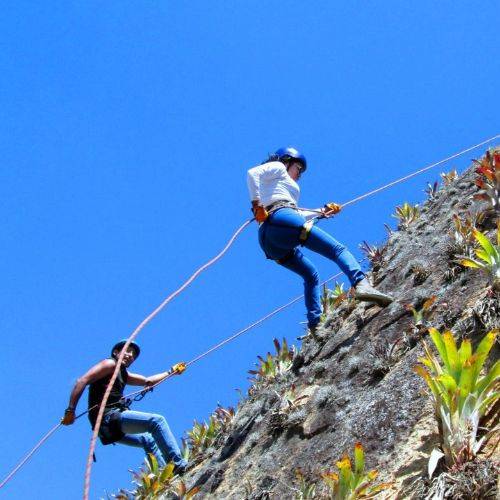
Between Urubamba, Ollantaytambo, Calca, ascent options via rock or secured ladders demand conditioning and prior acclimation. Descents follow techniques with escort aid—an enduring recollection.
Cable Traversals
Often paired with ascents, cables span 90-450 meters in sequences, providing dynamic returns.
Aerial Pursuits in Cusco’s Sacred Valley
Experience the valley aloft or suspended. Cycling on cables, gliding, or ballooning merge thrill, vistas, and captures. Weather-dependent; attire comfortably, reserve during peaks.
Aerial Cycling
Pedal suspended bicycles with safety gear, traversing with valley overviews. No prior needed; escorts instruct.
Gliding
Tandem gliding over river, peaks, fields offers novel sights. Follow directives, enjoy flight. Flexible for conditions; comfortable garb, barriers.
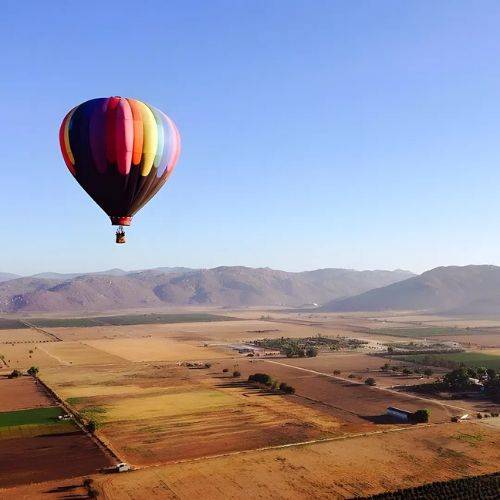
Balloon Ascents
Scheduled per conditions, typically dawn for stability. Verify availability beforehand.
Wellness and Mystical Journeys in the Sacred Valley
The valley provides relaxation venues, from natural connections and reflection to thermal recoveries.
Allocate durations with transport for unhurried enjoyment. Camping or nearby lodgings suit; consider overnights for immersion.
Thermal Sources and Relaxation
Thermals relieve post-activity, concluding adventures. Mineral-rich sources include:
- Minas Moqo, Calca: 12-18°C, chloride-sodium dominant.
- Ccaccaccollo, Lamay: 17-23°C, chlorides, sulfates, iron, magnesium, bicarbonate, aluminum.
- Machacancha, Calca: 40°C, sodium, magnesium, bicarbonate, sulfate.
- Lares: 36-44°C, calcium, magnesium, sodium, potassium, chloride, sulfate, bicarbonate, iron, manganese, zinc, boron, copper, solids.
Spiritual and Holistic Practices
Certain zones offer spiritual focuses. Prepare responsibly, prioritizing security and respect.
Common: Pachamama tributes (earth mother offerings), coca interpretations, floral purifications, contemplation, postural exercises.
Specialized: Ayahuasca, wachuma at screened centers with protocols, health evaluations—not universal.
Regional Cuisine in Cusco’s Sacred Valley
Culinary offerings vary by locale and season.
Specialties: Home or festival exclusives. Others: Upscale venues.
Popular: Tourist eateries, markets, ovens, chicherías (corn beverage spots). Favorites:
- Cuy al palo (Lamay roasted guinea pig)
- Urubamba merienda (afternoon provisions)
- Pisac empanadas, breads
- Chicha de jora, frutillada (fermented corn drinks)
- Oversized maize, seasonal produce
Accommodations in the Sacred Valley
- Belmond Río Sagrado: Urubamba luxury with gardens, spa, Peruvian-focused eatery. Rooms emulate Andean dwellings.
- Inkaterra Hacienda Urubamba: 100-acre property with traditional aesthetics, gardens, Andean vistas.
- Tambo del Inka, Luxury Collection: Urubamba resort with Machu Picchu station, spa, modern Peruvian dining.
- Sol y Luna Lodge & Spa: Urubamba casitas for seclusion, acclaimed spa, eatery.
- Aranwa Sacred Valley & Wellness: 17th-century hacienda base with museum, library, spa, theater.
- Sky Lodge: Suspended lodging for adventure seekers.
Premier Eateries in the Sacred Valley
- Hacienda Huayoccari: Exclusive dining in historic residence with vistas, Andean art. Menu elevates local elements elegantly.
- MIL Centro: Moray 14-course at 3,500 msnm, Andean biodiversity via innovative methods, cultural ties.
- Huacatay: Urubamba fusion of Andean-international in rustic setting, fresh components.
- Wayra: Sol y Luna eatery with garden vistas, local grilling, equestrian displays.
Sacred Valley Journey Suggestions
Attire Recommendations
Valley’s subtropical highland climate maintains steadiness, with potential rains (precipitation interval). Pack:
- Apparel: Lightweight impermeable trousers (traversing preferred), shorts for warmth, airy cotton uppers, insulating layers, thermal outer, precipitation barrier. Extra cape if required.
- Footgear: Thick-grip soles; impermeable traversing shoes for rocky zones.
- Head: Broad brim, eye barriers, solar cream, insect deterrent.
- Optional: Liquid container, support staffs, compact carriers.
Accessing the Sacred Valley from Cusco
From Cusco, routes vary: Abra de Ccorao for Pisac; Chinchero for Maras, Moray, Chinchero, Urubamba, Yucay; Pachar for Ollantaytambo.
Public options from Puputi, Pavitos: Vans, buses, cars at approx. 15 PEN one-way.
Public follows fixed lines, avoiding off-path sites. Recommend agency private transport for secure, comfortable access to distant attractions.
Elevation Discomfort
Valley river settlements: 2,050-3,000 msnm, below Cusco (3,400 msnm). Many opt for valley overnights for eased adaptation.
Initial Cusco days: Limit exertion, hydrate, light meals (avoid seafood, meats).
Currency
Sol for taxis, minor purchases, crafts, gratuities.
Carry small denominations; vendors lack change for large. Tourism spots accept USD.
Better rates in Cusco than valley. ATMs in Pisac, Urubamba, Ollantaytambo dispense both.
Machu Picchu Rail Luggage Limits
For rail or multi-day hikes to Machu Picchu, store excess (unneeded items). Per passenger: 5 kg bag/backpack max.
Hotels offer storage (fee); our itineraries include gratis.