
If you’ve ever dreamed of seeing those giant mountains you always see in postcards from Peru, well, here I tell you that our Andes are on another level. The country is full of stunning peaks, each one with its own vibe, stories, and landscapes that leave anyone saying “how cool!”. Whether you like hiking, photography, or just want to breathe fresh Andean air, Peru has mountains that make the trip totally worth it.
And honestly, exploring the famous mountains in Peru is something every traveler should experience at least once. You don’t need to be a pro climber or super sporty; the Andes invite everyone. So, if you dare, get ready to discover some of the most jaw-dropping places our country has to offer.
Why Peru is a top destination for mountain lovers
Peru’s geography offers an incredible variety of mountains within short distances, allowing travelers to experience deserts, cloud forests, glaciers, and alpine valleys in a single trip. This unique variety makes the country perfect for both beginner hikers and experienced mountaineers seeking challenging ascents. The Andes range is one of the most dramatic on Earth, and Peru holds some of its most impressive sections.
Additionally, the country has well-established trekking routes, trained local guides, and reliable tourism services. Whether visitors choose classic circuits like Huayhuash or lesser-known valleys, they can count on a safe and rewarding adventure. This combination of accessibility and natural beauty makes the famous mountains in Peru truly unforgettable.
How to prepare for high-altitude travel in Peru
High altitude is a key factor when exploring the famous mountains in Peru. Preparing correctly ensures a more enjoyable experience. Visitors should take time to acclimatize in cities like Cusco, Arequipa, or Huaraz before hiking. By spending a couple of days at moderate altitude, travelers give their bodies time to adapt and reduce discomfort during hikes.
Staying hydrated, eating lightly, and ascending gradually are essential practices for high-altitude travel. Many trekking routes also offer support from local guides trained in identifying symptoms of altitude sickness. With proper preparation, adventurers can fully enjoy the stunning landscapes and unique ecosystems that define Peru’s mountain regions.
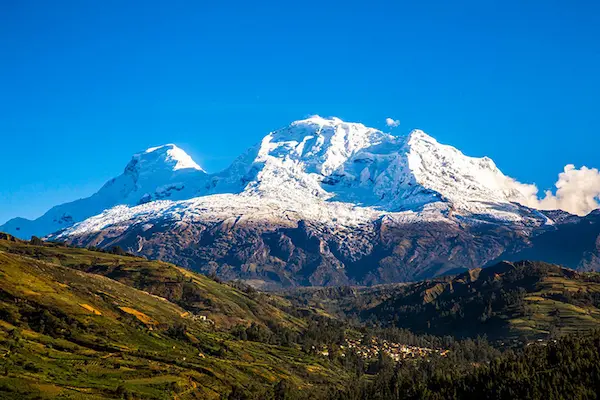
1. Huascarán
Huascarán National Park is one of the most spectacular natural areas in the Andes, offering turquoise lakes, snowcapped peaks, and lush highland ecosystems. The park is recognized as a UNESCO World Heritage Site thanks to its biodiversity and dramatic scenery. Visitors can explore lagoons like Llanganuco, a breathtaking route surrounded by steep granite walls and towering peaks.
Wildlife lovers also appreciate the chance to spot Andean condors, spectacled bears, and native plants unique to the region. The park’s impressive combination of glaciers, forests, and open valleys makes it one of the best places to understand the natural richness of the famous mountains in Peru.
Best season to visit Huascarán
The best time to visit Huascarán is during the dry season, from May to September, when sunny days and clear skies offer the safest conditions for trekking or climbing. During these months, trails are more stable, and visibility is excellent, allowing hikers to fully appreciate the mountain’s massive presence.
The rainy season, from November to March, brings cloud cover and slippery paths, making it more challenging for outdoor activities. However, some travelers enjoy this season for photography, as the surrounding valleys become greener and more vibrant.
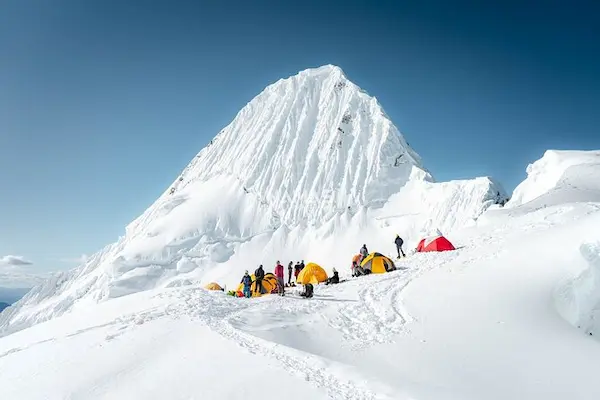
2. Alpamayo
Alpamayo gained international fame when it was declared the most beautiful mountain in the world by a photography competition in the 1960s. Its perfectly symmetrical pyramid shape, covered in snow and ice, makes it stand out even among the many famous mountains in Peru. The mountain’s elegant silhouette has since become an iconic image for climbers worldwide.
Its remote location adds to its mystique, inspiring adventurers who want to witness one of the Andes’ most impressive natural wonders. The brilliant white ice formations and steep walls make Alpamayo a favorite subject for photographers and mountaineers alike.
Treks that lead to Alpamayo viewpoints
Reaching Alpamayo requires joining multi-day treks through the Cordillera Blanca. One of the most popular is the Alpamayo Circuit, a route that surrounds the mountain and provides jaw-dropping viewpoints. The trail passes through high passes, Andean lakes, and traditional Quechua communities.
Another option is the Santa Cruz Trek, which, although not directly facing Alpamayo, provides access to some of the best panoramic views of surrounding peaks. Both treks give hikers the chance to immerse themselves in remote Andean landscapes.
3. Ausangate
Ausangate is one of the most spiritually significant peaks in the Andes. For centuries, local Quechua communities have considered it an Apu, a sacred protector. Even today, rituals and offerings continue to take place around the mountain, especially during the Qoyllur Rit’i festival, a major pilgrimage celebrated yearly. Many travelers who complete routes like the Rainbow Mountain and 7 Ausangate trek 2 days discover not only stunning scenery but also the deep cultural energy that surrounds this sacred region.
This strong cultural connection adds depth to the experience of visiting Ausangate. Travelers feel a sense of history and spirituality woven into the land, giving them a deeper understanding of the Andean worldview. The combination of majestic landscapes, living traditions, and ancient beliefs makes Ausangate one of the most meaningful mountains to explore in Peru.
Rainbow Mountain and the Ausangate circuit
The famous Rainbow Mountain, or Vinicunca, is part of the Ausangate region. Its colorful mineral layers make it one of the most photographed destinations in Peru. Visitors who explore the full Ausangate Circuit can appreciate the contrast between the vivid colors of Vinicunca and the icy peaks of Ausangate.
The circuit itself is one of the most visually stunning treks in the Andes. Travelers pass through alpaca pastures, glacial lakes, and dramatic mountain passes, making it a favorite for those seeking a deeper connection with nature.
4. Salkantay
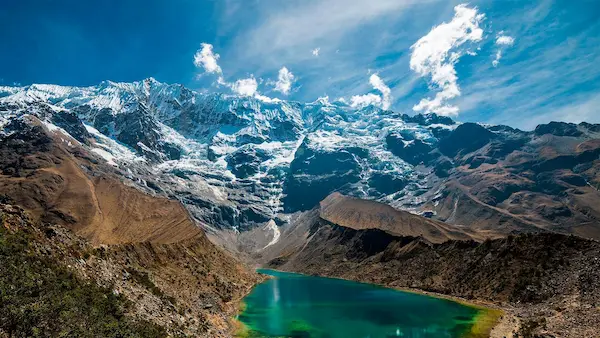
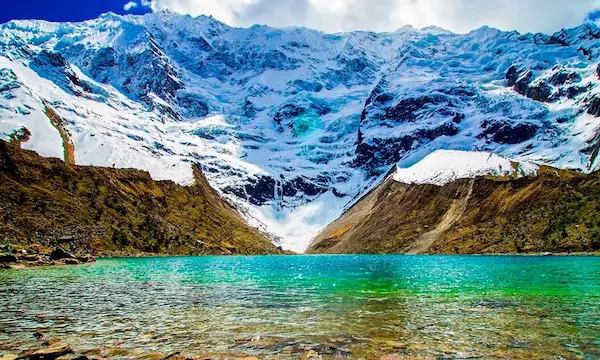
The Salkantay Trek is one of the best alternatives to the Inca Trail, offering breathtaking mountain scenery and access to cloud forests. The imposing presence of Salkantay Mountain creates an unforgettable atmosphere for adventurers. Its rugged cliffs and snowcapped summit make it one of the most iconic famous mountains in Peru. Many hikers start their journey with routes like the Laguna Humantay to Salkantay Tour 2 Days, which showcase the turquoise waters of Humantay Lake before ascending toward the dramatic Salkantay Pass.
Many travelers choose this trek because it leads all the way to Machu Picchu, combining natural beauty with archaeological history. The diversity of landscapes along the route attracts hikers of all backgrounds. Whether you’re drawn by alpine views, cloud forest trails, or the final arrival at the ancient citadel, the Salkantay route continues to be one of the most unforgettable experiences in the Peruvian Andes.
Wildlife and landscapes along the Salkantay route
The Salkantay area is home to varied ecosystems, from icy glacial zones to lush tropical valleys. Hikers may spot hummingbirds, Andean foxes, and native orchids during their journey. The drastic change in climate and geography makes this trek one of the most enriching experiences in the Peruvian Andes.
Additionally, stops like Humantay Lake highlight the region’s natural beauty. Its turquoise waters, framed by steep mountain walls, serve as one of the trek’s most memorable viewpoints.
5. Yerupajá
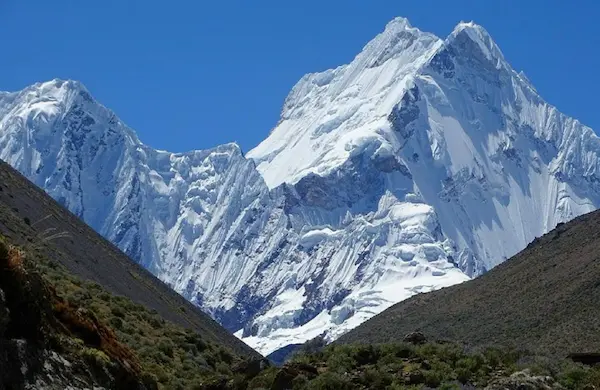
Yerupajá is the second-highest mountain in Peru and the tallest in the Huayhuash range. Its dramatic shape and remote setting make it a dream destination for experienced hikers. Surrounding lakes like Jahuacocha and Solterococha offer perfect reflections of the peak, creating picture-perfect panoramas.
Travelers who follow the Huayhuash Circuit enjoy multiple viewpoints where Yerupajá dominates the skyline. Its towering size and sharp ridges remind visitors of the raw power of the Andes.
Adventure opportunities in the Huayhuash circuit
The Huayhuash Circuit is considered one of the most beautiful treks in the world. It passes through high passes, deep valleys, and pristine lakes, giving hikers constant views of imposing peaks like Yerupajá. This route is more remote and demanding than many others, making it ideal for adventurers seeking a challenge.
Although the circuit requires preparation and stamina, its rewards are unmatched. Travelers consistently describe it as a life-changing experience due to its untouched beauty.
6. Siula Grande
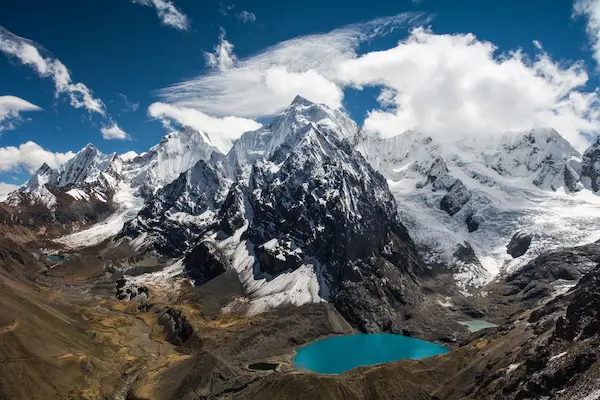
Siula Grande became famous worldwide thanks to the book and film “Touching the Void,” which recounts a dramatic survival story on its slopes. The mountain’s steep ice walls and unpredictable conditions make it one of the most technically challenging peaks in the Andes.
This history attracts experienced climbers who want to test their skills and pay homage to one of mountaineering’s most intense stories. The mountain’s reputation adds a sense of mystery and awe for visitors.
Routes and difficulty levels for experienced hikers
Only advanced mountaineers attempt to climb Siula Grande, as its routes involve complex ice climbing and exposure to severe weather. However, hikers can still appreciate the mountain’s beauty from nearby viewpoints on the Huayhuash Circuit.
These viewpoints allow travelers to admire the imposing glaciers without undertaking dangerous climbs. The contrast between its dramatic cliffs and the surrounding valleys makes Siula Grande one of the most unforgettable famous mountains in Peru.
7. Coropuna
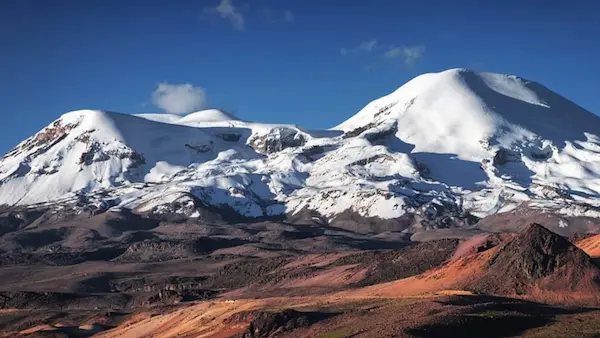
Coropuna is a massive dormant volcano covered in glaciers, giving it a striking white appearance from afar. Its volcanic origins make it unique among Peru’s tallest peaks. The landscape around it includes lava fields, Andean plateaus, and deep gorges shaped by centuries of geological activity.
These characteristics attract geology enthusiasts and travelers interested in learning more about the Earth’s natural processes. The combination of volcanic and glacial formations makes Coropuna an impressive sight.
Best ways to reach Coropuna’s base
Reaching Coropuna typically involves traveling through remote areas of the Arequipa region. Adventurers often join guided expeditions starting from small towns like Andagua or Viraco. These routes pass through quiet valleys and traditional villages, offering a peaceful journey away from crowded tourist destinations.
Although the region is isolated, the experience rewards travelers with pristine views and a deeper appreciation of Peru’s lesser-known high-altitude landscapes.
8. Ampato
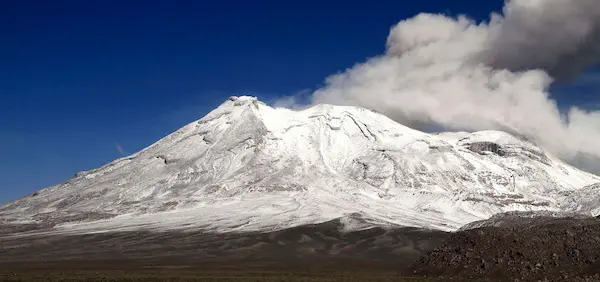
Ampato gained international attention when the mummy of a young Inca girl—known as Juanita or the Ice Maiden—was discovered on its slopes. This finding provided valuable insight into Inca rituals and beliefs. The mountain itself was considered sacred, and its summit served as a ceremonial site.
Today, Ampato remains a symbol of the deep cultural connections between ancient civilizations and the mountains they worshipped. Visitors appreciate its historical importance and the stories that surround it.
How to visit the Ampato region safely
Although Ampato is not a peak for inexperienced climbers, visitors can explore nearby viewpoints and highland plains. Many tours depart from Arequipa and include safety equipment and experienced guides. These excursions allow travelers to enjoy the scenery while learning about the mountain’s archaeological relevance.
Proper acclimatization is essential due to the region’s high altitude. With preparation and local guidance, visitors can safely appreciate this remarkable area.
9. Chachani
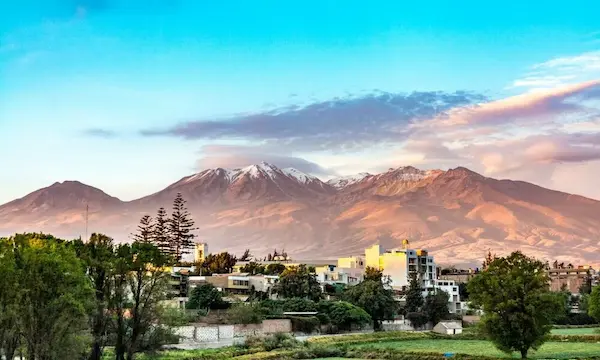
Chachani is often described as the easiest 6,000-meter climb in the world, making it a popular choice for travelers seeking their first high-altitude ascent. The climb involves no technical sections, allowing participants to focus on enjoying the scenery and testing their endurance.
Its proximity to Arequipa also makes logistics simple. Many travelers acclimatize in the city before attempting the climb, ensuring a smoother and safer experience.
Tours and logistics from Arequipa city
Climbing Chachani requires joining an organized expedition with professional guides. These tours typically include transport, equipment, and meals. Starting points are accessible from Arequipa, making it possible to complete the adventure in just two days.
The views from the summit stretch across volcanic landscapes, nearby peaks, and the city below. This accessibility makes Chachani one of the most appealing famous mountains in Peru for beginners.
10. Veronica (Waqaywillke)
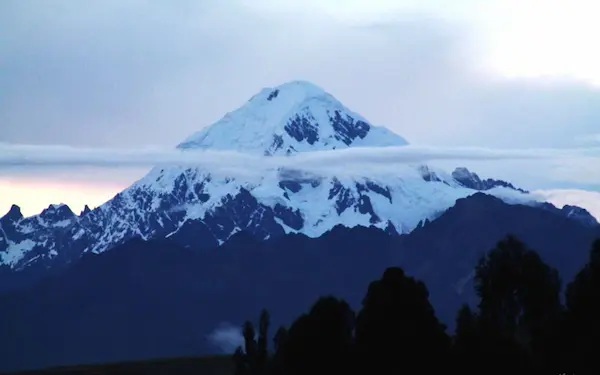
Veronica Mountain rises dramatically above the Sacred Valley, creating one of the most iconic views in the Cusco region. Its jagged summit and constant snow cover make it a favorite subject for photography lovers. Even from afar, its presence is striking and memorable.
The mountain’s beauty changes throughout the day, with sunrise and sunset offering especially vivid colors. These moments make Veronica one of the most visually captivating mountains in the area.
Best viewpoints to see Veronica mountain
Travelers can enjoy some of the best views of Veronica from Ollantaytambo, Abra Málaga, and various points along the train route to Machu Picchu. These viewpoints offer clear perspectives of its steep glacial faces and towering ridges.
Hikers exploring lesser-known trails in the Sacred Valley may also encounter unique angles of Veronica, surrounded by rural landscapes and lush valleys.
Tips for visiting the famous mountains in Peru
Traveling through the Andes requires preparation, especially when visiting high-altitude destinations. Understanding local weather, altitude effects, and trekking conditions is essential to enjoy a safe and rewarding adventure.
These tips will help travelers make the most of their trips, whether they’re planning a short hike, a multi-day trek, or simply sightseeing from popular viewpoints.
Safety recommendations for hikers
When visiting the famous mountains in Peru, safety should always be the top priority. Travelers should acclimatize properly, follow local guidance, and avoid pushing beyond their limits. Weather can change quickly in the Andes, so carrying warm clothing and protective gear is essential.
Guided tours are recommended for remote regions, especially for routes involving technical terrain or uncertain weather. Experienced local guides ensure safer navigation and provide valuable cultural insights.
What to pack for high-altitude Andean trips
Packing the right equipment makes mountain exploration far more enjoyable. Layers of clothing, waterproof gear, sturdy boots, and sun protection are must-haves for high-altitude environments. Hydration packs and energy snacks also help maintain energy during long hikes.
Additionally, travelers should bring basic first-aid supplies and altitude medication if recommended by a doctor. Being prepared allows visitors to enjoy the famous mountains in Peru with comfort and confidence.
Why the famous mountains in Peru should be on your travel bucket list
At the end of the day, checking out the famous mountains in Peru is one of those experiences that stick with you forever. The views, the culture, the people—todo eso se mezcla y te deja con ganas de volver. Each mountain has its own charm, some peaceful, some challenging, but all of them remind you how amazing Peru really is.
So if you’re planning your next adventure, ya sabes: the Andes are waiting. Pack your things, bring your camera, and come ready to soak in landscapes that look like they’re straight out of a movie. Peru never disappoints, causa—especially when you explore its most iconic mountains.