
Machu Picchu Tickets: An In-Depth Travel Overview
Introduction to Machu Picchu Access
Machu Picchu stands as a premier archaeological landmark in Peru, drawing global attention for its historical significance. Navigating the process of obtaining admission can seem intricate amid varying sources, yet organizing a trip to this UNESCO-recognized site simplifies with focused preparation. Prior reservation emerges as crucial, given the capped daily visitor numbers and diverse ticket categories tailored to specific areas within the complex. This overview assists in identifying suitable admission options, facilitating your reservation, and maximizing the exploration.
Since June 1, 2024, the site has adopted three distinct touring circuits, replacing the former five, to better manage attendance and preserve its heritage status. Selecting a circuit at purchase dictates the path followed, with no mid-visit alterations or reversals permitted. The Ministry of Culture of Peru outlines these via its official platform.
Our local guides, equipped with extensive route knowledge, offer thorough explanations during tours, illuminating the site’s layers. The agency’s private transportation ensures dependable conveyance to access points.
Historical Context of Machu Picchu
Constructed in the mid-15th century under Emperor Pachacuti (1438–1471), Machu Picchu functioned as an estate integrating administrative, religious, and agricultural roles within the Inca Empire. Its location at 2,430 meters above sea level (7,972 feet) amid the Andean cordillera showcases Inca engineering, including andenes (terraced fields) for cultivation and qhapaq ñan (Inca road system) segments for connectivity. Rediscovered in 1911 by Hiram Bingham, the site reveals the Chanapata culture’s earlier influences from around 900 BCE.
As archaeologist John Hyslop detailed in The Inka Road System (1984), “The strategic placement of Machu Picchu exemplifies how the Incas harmonized architecture with natural topography, creating defensible yet productive enclaves.” This integration persists, where stone structures align with solstice events at Inti Punku (Sun Gate in Quechua).
Key Circuits and Routes in Machu Picchu for 2026
Determining the appropriate circuit aligns with personal itinerary, physical capacity, and desired perspectives. Each provides unique access, blending lower and upper sectors of the Inca City.
Circuit 1: Panoramic Perspectives
This circuit emphasizes elevated viewpoints, traversing the upper zones without delving into the central archaeological core. It encompasses four sub-routes, each centering on the primary observation platforms for broad vistas.
1-A: Machu Picchu Mountain Path
Suited for those ascending Machu Picchu Mountain at 3,082 meters (10,111 feet), this route includes:
- Lower observation point
- Upper observation point
- Machu Picchu Mountain summit
- Comprehensive 360-degree outlook over the Inca City
Admission slots: From 7:00 a.m. to 7:30 a.m. with mountain access at 8:00 a.m.; or 9:00 a.m. to 9:30 a.m. with access at 10:00 a.m.
Visit duration: 7 hours.
From the main access, proceed to upper overlooks, then advance approximately 10 minutes toward Inti Punku to initiate the mountain trail. The ascent spans about 3.8 kilometers round trip, requiring roughly 3 hours, culminating in expansive views encompassing the Inca City and encircling peaks. This option attracts fewer participants than alternatives like Huayna Picchu.
Return follows the identical path for departure.
1-B: Upper Terrace Path
Focused on superior elevations, this sub-route permits:
- Lower observation point
- Upper observation point
- Classic 360-degree panorama of the Inca City
Admission slots: Mornings at 6:00 a.m., 7:00 a.m., 8:00 a.m., 9:00 a.m., 10:00 a.m., 11:00 a.m.; afternoons at 12:00 p.m., 1:00 p.m., 2:00 p.m., 3:00 p.m.
Visit duration: 2.5 hours.
Ideal for capturing the iconic imagery associated with Machu Picchu, this path remains confined to higher platforms.
1-C: Inti Punku Gate Path
This grants passage to Inti Punku and includes:
- Lower observation point
- Upper observation point
- Inti Punku
- Classic 360-degree vista
Available during high season only.
Admission slots: 7:00 a.m. to 7:30 a.m. with gate at 8:00 a.m.; 8:00 a.m. to 8:30 a.m. at 9:00 a.m.; 9:00 a.m. to 9:30 a.m. at 10:00 a.m.; 10:00 a.m. to 10:30 a.m. at 11:00 a.m.
Visit duration: 4 hours.
Inti Punku, the entry for Inca Trail completers, offers alternative angles on the Inca City.
1-D: Inca Bridge Path
Leading to the Puente Inka (Inca Bridge in Quechua), a structure on a sheer precipice, this includes:
- Lower observation point
- Upper observation point
- Inca Bridge
- Classic 360-degree outlook
Available in high season.
Admission slots: 8:00 a.m. to 8:30 a.m. with bridge at 9:00 a.m.; 9:00 a.m. to 9:30 a.m. at 10:00 a.m.; 10:00 a.m. to 10:30 a.m. at 11:00 a.m.; 11:00 a.m. to 11:30 a.m. at 12:00 p.m.
Visit duration: 3 hours.
From lower observation, reach the control post; the journey takes about 3 hours with overhead perspectives. Crossing the bridge is prohibited for security.
Our guides, with broad experience, detail these panoramic elements during explorations. Agency transport handles arrivals.
Circuit 2: Classic Exploration
The most encompassing, commencing at the primary access and ascending to the guardhouse for standard views, then descending through core ruins. It suits comprehensive surveys of renowned sectors.
Two sub-routes exist.
2-A: Designed Classic Path
Accesses principal locations, popular for near-full coverage excluding the observatory, yet allowing background photography with the Inca City. Recommended for those with mobility considerations.
Includes:
- Quarry area
- Temple of the Sun
- Temple Square
- Sacred Rock
- Twelve-portaled structure
- Storage facilities
- Water reflection areas
- Pisonay Plaza
- Lower observation 360-degree view
Admission slots: Identical to 1-B mornings and afternoons.
Visit duration: 2.5 hours.
This sells rapidly; advance purchase advised.
2-B: Lower Terrace Path
Resembles 2-A but incorporates lower observation.
Includes:
- Lower observation point
- Temple Square
- Sacred Rock
- Twelve-portaled structure
- Storage facilities
- Water reflection areas
- Pisonay Plaza
- Classic Inca City view
Admission slots: As above.
Visit duration: 2.5 hours.
Circuit 3: Royal Sector Focus
Shorter and less attended than Circuit 2, navigating lower Inca City portions with four routes, optionally including Huayna Picchu or Huchuy Picchu ascents. Note: Excludes upper observation for panoramic classics; Huchuy Picchu and Great Cavern limited to high season.
3-A: Huayna Picchu Mountain Path
For Huayna Picchu at 2,668 meters (8,753 feet), plus lower city:
- Temple of the Sun
- Pisonay Plaza
- Sacred Rock
- Twelve-portaled structure
- Storage facilities
- Water reflection areas
- Temple of the Condor
Admission slots: 7:00 a.m. to 7:30 a.m. with mountain at 8:00 a.m.; 10:00 a.m. to 10:30 a.m. at 11:00 a.m.
Visit duration: 6 hours.
From main access, traverse lower sectors like Temple of the Sun and Inca residence, reaching Huayna Picchu entry in 20 minutes. Ascent takes 30 minutes to a plateau, then steeper to summit with aids. Views alter perspectives; descent same.
Huayna Picchu hike lasts 2 hours, highly sought.
3-B: Designed Royal Path
Lower Inca City exclusive:
- Temple of the Sun
- Pisonay Plaza
- Twelve-portaled structure
- Storage facilities
- Temple of the Condor
- Water reflection areas
Admission slots: As in Circuit 2.
Visit duration: 2.5 hours.
3-C: Great Cavern Path
To the Moon Temple (Great Cavern) behind Huayna Picchu, high season only:
- Temple of the Sun
- Pisonay Plaza
- Sacred Rock
- Moon Temple
- Twelve-portaled structure
- Storage facilities
- Water reflection areas
- Temple of the Condor
Admission slots: 8:00 a.m. to 8:30 a.m. at 9:00 a.m.; 9:00 a.m. to 9:30 a.m. at 10:00 a.m.
Visit duration: 7 hours.
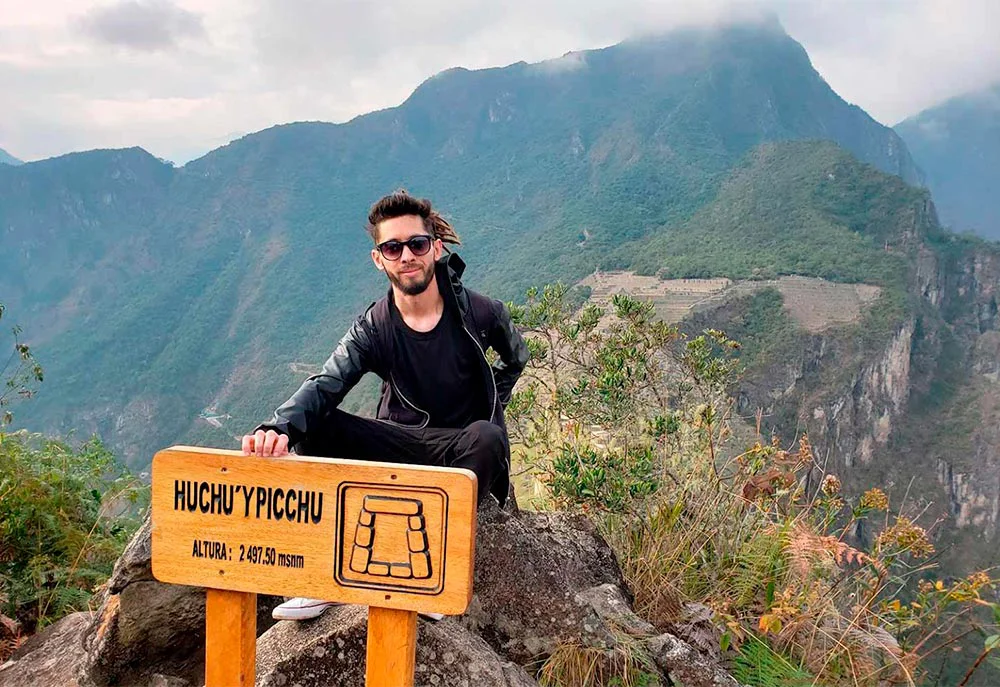
3-D: Huchuy Picchu Mountain Path
For Huchuy Picchu at 2,498 meters (8,196 feet), plus lower:
- Temple of the Sun
- Pisonay Plaza
- Sacred Rock
- Huchuy Picchu
- Twelve-portaled structure
- Storage facilities
- Water reflection areas
- Temple of the Condor
Admission slots: 9:00 a.m. to 9:30 a.m. at 10:00 a.m.; 11:00 a.m. to 11:30 a.m. at 12:00 p.m.
Visit duration: 6 hours.
From shared Huayna Picchu control, 25 minutes up and down, yielding distinct Inca City sights.
Guides provide in-depth narratives on royal intricacies. Private agency vehicles support logistics.
Current Ticket Availability
Availability fluctuates in real time; visible slots do not guarantee until confirmation. For February 2026, as of early month, many mornings in popular circuits like 2-A sold out, while others like 1-B showed hundreds available mid-month. Check tuboleto.cultura.pe for latest, especially for March onward where slots open progressively.
High availability persists in less demanded sub-routes; low or sold out in classics during peaks.
Ticket Costs for 2026
Prices vary by category and inclusion of mountains. For international visitors (in Peruvian soles):
| Ticket | Adult | Minor (under 18) | Student |
|---|---|---|---|
| Circuit 1-A Machu Picchu Mountain | 200 | 118 | 125 |
| Circuit 1-B Upper Terrace | 152 | 70 | 77 |
| Circuit 1-C Inti Punku Gate | 152 | 70 | 77 |
| Circuit 1-D Inca Bridge | 152 | 70 | 77 |
| Circuit 2-A Designed Classic | 152 | 70 | 77 |
| Circuit 2-B Lower Terrace | 152 | 70 | 77 |
| Circuit 3-A Huayna Picchu Mountain | 200 | 118 | 125 |
| Circuit 3-B Designed Royal | 152 | 70 | 77 |
| Circuit 3-C Great Cavern | 200 | 118 | 125 |
| Circuit 3-D Huchuy Picchu Mountain | 152 | 70 | 77 |
For Peruvian residents:
| Ticket | Adult | Minor (under 18) | Student |
|---|---|---|---|
| Circuit 1-A Machu Picchu Mountain | 112 | 80 | – |
| Circuit 1-B Upper Terrace | 64 | 32 | – |
| Circuit 1-C Inti Punku Gate | 64 | 32 | – |
| Circuit 1-D Inca Bridge | 64 | 32 | – |
| Circuit 2-A Designed Classic | 64 | 32 | – |
| Circuit 2-B Lower Terrace | 64 | 32 | – |
| Circuit 3-A Huayna Picchu Mountain | 112 | 80 | – |
| Circuit 3-B Designed Royal | 64 | 32 | – |
| Circuit 3-C Great Cavern | 112 | 80 | – |
| Circuit 3-D Huchuy Picchu Mountain | 64 | 32 | – |
Exchange rates approximate 3.5 to 3.8 soles per USD. Promotional reductions may apply via MINCETUR in select periods.
High and Low Seasons in 2026
High season:
- Easter: April 17–20, 2026
- Year-end: December 30–31, 2026 to January 2, 2027
- Primary: June 19–November 2, 2026
Low season:
- Early year: January 1–April 16, 2026
- Pre-high: April 21–June 18, 2026
- Post-high: November 3–December 29, 2026
Regulations for Machu Picchu Tickets
Established in 2017, the “Regulation on Sustainable Use and Tourist Visits for the Conservation of the Llaqta of Machu Picchu” promotes preservation, updated periodically. It governs schedules, circuits, and compliance.
Purchase Requirements
- Tickets valid solely for designated date; non-transferable, non-refundable.
- Adhere to specified circuit; restricted areas inaccessible.
- Present identification: Passport, immigration card, diplomatic ID; DNI for CAN/Mercosur; original university card for students.
Entry Tolerance
Late arrivals allowed limited grace:
- High season (June 1–October 15, December 30–31): 45 minutes
- Regular: 30 minutes
- Mountains: None
E.g., 6:00 a.m. slot permits up to 6:30 a.m. in regular.
Prohibited Items
To protect the site:
- Oversized luggage
- Tripods, selfie extensions, camera stabilizers
- Drones
- Umbrellas, portable seats
- Alcohol, illicit substances
- Weapons, sharp items
- Food, utensils
- Strollers (use carriers)
- Instruments, speakers
- Banners, costumes
- Walking sticks
- Prefer rubber soles over hard
Regulations may evolve; verify official sources.
As historian Clements Markham wrote in The Incas of Peru (1910), “The preservation of such monuments demands vigilance, for they embody the ingenuity of a civilization attuned to its landscape.”
Practical Tips for Visiting
Coordinate transport, lodging, activities. Trains from Cusco or Ollantaytambo to Aguas Calientes predominate; from there, bus or walk to site.
Suggestions:
- Arrive in Aguas Calientes day prior.
- Buy bus tickets online or pre-board.
- Reach main gate on time.
- Have tickets printed or digital.
- Print for mountain additions.
- Follow ticket directives.
Obtaining Tickets
Three methods:
- Official site: tuboleto.cultura.pe (select route; Spanish-only, use equivalents).
- Ministry points: Calle Maruri 340, Calle Garcilaso s/n in Cusco.
- Authorized agencies like ours.
Reservations hold 3 hours for payment; book 60 days ahead for assurance.
Our experienced guides elaborate on regulations during tours. Private agency transport eases preparations.