
Peru in January hits different. It’s warm on the coast, greener than ever in the Andes, and full of life in the jungle. Travelers love this month because everything feels more authentic the landscapes, the weather, the energy, todo. Of course, January also brings those little surprises of the rainy season, but with a bit of planning and a flexible attitude, your trip can turn out increíble. Throughout this guide, we’ll walk you through what to expect, where to go, and how to enjoy Peru in January like a local.
Weather in Peru in January
Traveling through Peru in January means experiencing the peak of the rainy season, a time that significantly shapes mobility, scenery, and trip planning. While showers are frequent, this month also brings lush landscapes, vibrant valleys, and mountain views that feel alive thanks to the seasonal rains.
For many travelers, this is a great moment to explore the country with fewer crowds compared to high season. Still, the weather can influence road conditions and transport times, making it important to plan ahead and stay updated, especially when making long transfers or traveling through remote areas.
Temperatures and climate conditions
Peru in January offers different climate conditions depending on the region. The coast remains warm and humid, with Lima experiencing cloudy days and high moisture levels. In the southern Andes, places like Cusco and Puno have cooler temperatures with regular afternoon showers. Meanwhile, in the north, the rainforest becomes more dynamic and humid, contributing to its rich biodiversity.
These seasonal contrasts create beautiful and dramatic landscapes, perfect for photography and nature lovers. However, rain can make rural or secondary roads more challenging, so it’s wise to travel with proper gear and always check road conditions before starting long trips, especially in mountainous routes.
How the rains affect mobility
January is a month where some roads may experience delays or temporary closures due to increased rainfall. Landslides, rising river levels, and muddy surfaces can slow down transportation, particularly in the Andes and jungle regions. Travel times that are normally predictable may extend as local authorities work to clear routes and ensure safe passage.
This doesn’t mean you should avoid traveling, but rather remain flexible and prepared. Travelers who frequently explore Peru by car or bus often keep a list of emergency contacts or road assistance services, just in case an unexpected issue arises during long stretches of highway or remote routes affected by rain.
Maybe you’d like to read: Best restaurants in Cusco | Top 20
What to expect when traveling through Peru in January
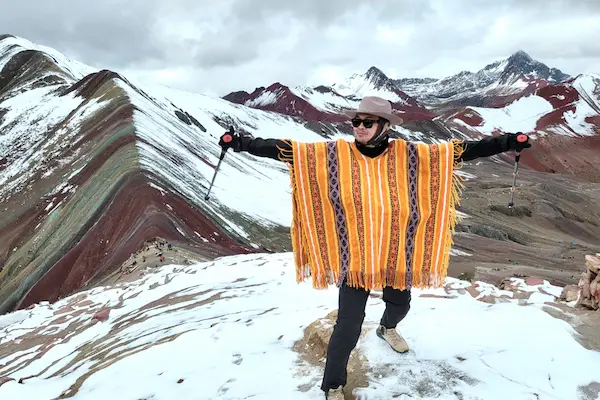
Traveling through Peru in January is a unique experience filled with vibrant landscapes, cultural activities, and fewer crowds in major tourist destinations. Nature becomes the main attraction, with green mountains, full rivers, and refreshing rain showers that bring life to every region.
However, January also requires adaptable planning. Weather variations, changing schedules, and the need to organize transport carefully make this month ideal for travelers who enjoy adventure and don’t mind adjusting plans along the way.
Cultural activities and festivities
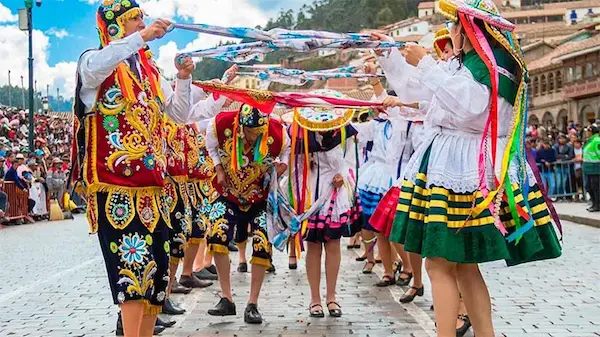
January is a festive month across many Andean communities. Regions like Cusco, Puno, and Ayacucho host local celebrations full of music, dance, and traditional rituals. These events offer visitors an authentic look at Peruvian culture, as many of these gatherings are aimed at local tradition rather than tourism.
Participating in these festivities allows travelers to connect with the spirit of the Andes in a genuine way. Markets, processions, and communal events bring together people of all ages, making it an excellent opportunity to learn more about local customs and be part of the cultural rhythm of the region.
Tourist flow and best places to visit
Tourist numbers drop significantly in Peru in January, making it easier to enjoy popular destinations without large crowds. Places like the Sacred Valley, Paracas, Arequipa, and northern beaches become more relaxed, allowing for a peaceful travel experience. Machu Picchu also receives fewer visitors, although trekking routes may be limited or temporarily closed due to rainfall.
Lower tourism means better prices for accommodation and more flexible itineraries. Although some mountain routes may slow down due to weather, the lower traffic on main highways benefits travelers who prefer road trips or renting a car to explore at their own pace.
Recommended destinations to visit in Peru in January
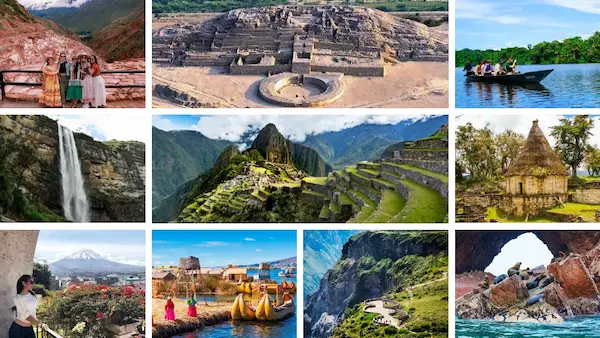
Even though January is the rainy season in many parts of the country, several destinations shine during this time. The coast experiences its best beach weather of the year, while the highlands and jungle offer gorgeous green scenery and active wildlife.
Traveling across Peru in January combines nature, adventure, and culture—perfect for those who want a dynamic and refreshing trip.
Peruvian coast
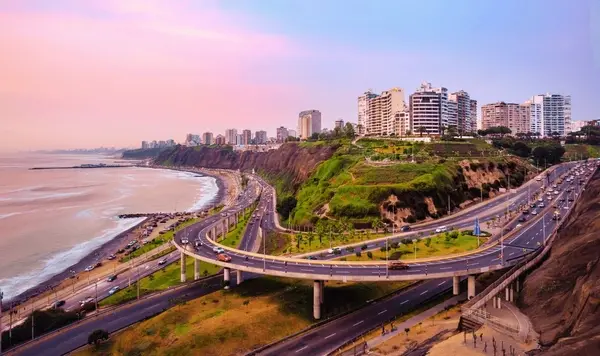
The Peruvian coast is at its best in January, with warm temperatures and sunny beach days. Destinations like Máncora, Punta Sal, Lima’s southern beaches, Paracas, and even short Lima tours along the coastline offer ideal conditions for swimming, surfing, and relaxing by the ocean. The coastal climate is stable and predictable, making it the safest region for travel during this month.
Those exploring the coast by road often appreciate how accessible the beaches are and how smooth the main highways remain even during peak summer. However, as with any long trip, it’s wise to plan ahead, travel with extra time, and be prepared for occasional delays due to high seasonal movement.
Highlands
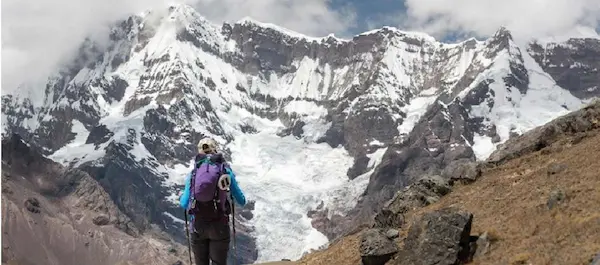
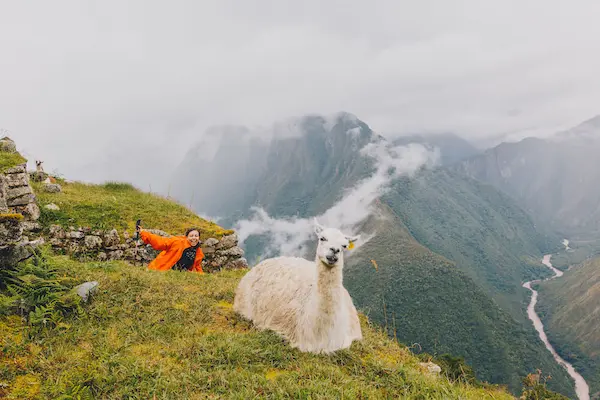
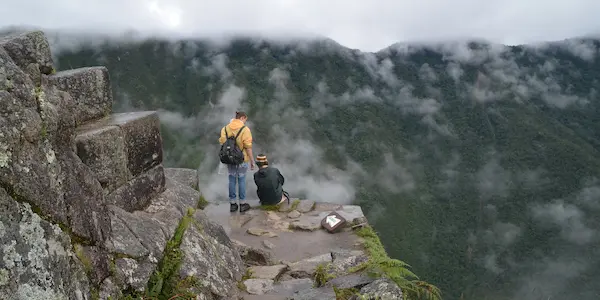
TThe Andes transform beautifully during January. Terraces, mountains, and valleys turn bright green, while lakes and rivers become fuller and more vibrant. Regions like Cusco, Huaraz, and Ayacucho become excellent settings for nature lovers, offering unforgettable postcard-like views. For travelers planning Machu Picchu tours, this lush landscape creates a dramatic and unique backdrop different from the dry-season scenery.
Still, rain can make trails muddy and some mountain routes slippery, so it’s essential to plan hikes carefully. Many travelers who visit high-altitude areas check road and trail conditions in advance and add extra travel time to avoid rushing through routes that may be affected by weather.
Rainforest
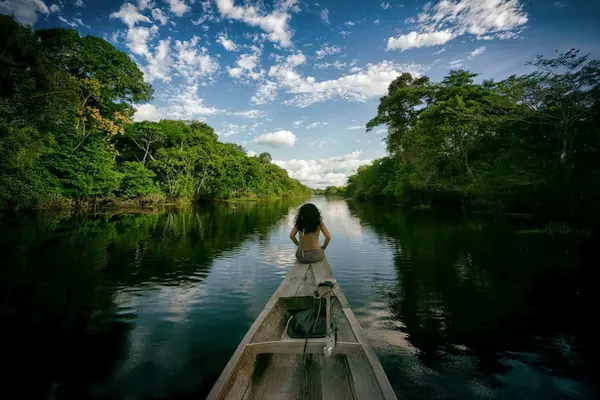
The Amazon rainforest is particularly active in January. Increased rainfall enhances wildlife sightings and creates an immersive natural experience. Areas like Iquitos and Puerto Maldonado offer river tours, canopy walks, and jungle explorations surrounded by dense vegetation and renewed ecosystems.
Although heavy rains can affect certain river routes or trails, tour operators typically adapt schedules to ensure safe and enjoyable experiences. Travelers heading to remote lodges often stay attentive to transportation updates, especially when moving through long river routes or connecting via secondary roads.
Recommended activities in Peru in January
January in Peru is a lively month full of contrasts. While the highlands get their greenest landscapes thanks to the rainy season, the coast is all about sunshine, summer vibes, and long beach days. Depending on what kind of traveler you are, there’s always something worth adding to your itinerary.
Below you’ll find the best activities to enjoy across the country, with honest tips so you can plan smarter and avoid the usual January surprises.
Trekking and short hikes
Trekking in January can be a hit or miss, especially in the Andes. Trails around Cusco, Huaraz, and Arequipa tend to be wetter, and some routes can get muddy or slippery. For longer, high-mountain treks, it’s often better to wait for drier months unless you’re very experienced and comfortable dealing with changing weather and reduced visibility.
That said, shorter and lower-altitude hikes can still be great. Many travelers prefer quick routes near archaeological sites or short scenic walks that don’t require climbing on steep terrain. These options let you enjoy the green landscapes without taking unnecessary risks. Just keep an eye on the forecast and start your hikes early in the day.
Cultural tourism
If you want a break from the rain or simply enjoy culture, January is perfect for exploring Peru’s museums, colonial plazas, and UNESCO-listed historic centers. Cities like Lima, Arequipa, Trujillo, and Cusco offer plenty of indoor attractions, guided city tours, and culinary stops that fit perfectly with the season.
Many travelers appreciate that cultural visits are less affected by weather changes. You can easily spend hours discovering traditional art, ancient civilizations, and the influence of Spanish architecture while staying dry and comfortable. Plus, these areas are usually very accessible, even when the Andes experience rain.
Nature experiences
January is peak summer along the coast, so nature lovers have a lot to enjoy. Destinations like Paracas, the Ballestas Islands, Mancora, Punta Sal, and the beaches south of Lima shine during this time. Expect warm water, sunny skies, and perfect conditions for surfing, kitesurfing, or simply relaxing at the beach.
In places like Paracas National Reserve, wildlife spotting becomes easier thanks to calmer seas and clear skies. Many travelers combine beach days with scenic road trips along the coast—a stretch known for smooth highways and straightforward driving conditions during the summer.
Maybe you’d like to read: Top 10 Christmas traditions in Peru every traveler should experience
Road-trip tips for Peru in January
Traveling by road in Peru during January can be an amazing experience, especially along the sunny coast. But since the rainy season affects the Andes and jungle regions, it’s wise to plan ahead. Many travelers choose to stay informed about road conditions, and during long drives, it’s normal to rely on trustworthy roadside assistance services—just in case heavy rains or minor landslides slow things down.
Below are key things to consider so your road trip remains smooth and stress-free.
Rain and landslide precautions
The rainy season can trigger small landslides, temporary road closures, or slower traffic, mainly in the Andes. If you’re driving toward Cusco, Huaraz, Puno, or Ayacucho, try to travel during the day, avoid rushing, and check local updates before hitting the road.
It’s also smart to carry basic supplies and keep your itinerary flexible. Weather in the highlands changes quickly, and a little preparation makes a big difference in keeping your trip comfortable.
Safest routes for travelers
If you want the most stable driving conditions, the coastal route is your best bet. The Panamericana is generally reliable, well-maintained, and ideal for beach destinations. Travelers heading south toward Paracas or north toward Trujillo and Piura usually enjoy smooth, sunny road conditions in January.
Mountain routes are still doable, but choose the main highways rather than secondary roads. These primary routes receive more maintenance and have better signage, making them safer during the rainy season.
What to bring for January road trips
For a safe and easy journey, bring waterproof jackets, snacks, power banks, and plenty of water. A flashlight, sunscreen, and comfortable shoes are also handy. Many travelers also pack a small emergency kit with essentials like a tire inflator, jumper cables, and a poncho—useful items when driving through mixed climates.
Because January means more traffic toward beaches and festive destinations, having everything ready helps you enjoy the trip without last-minute stress.
Maybe you’d like to read: Cruz Velacuy in Cusco
What to pack for Peru in January
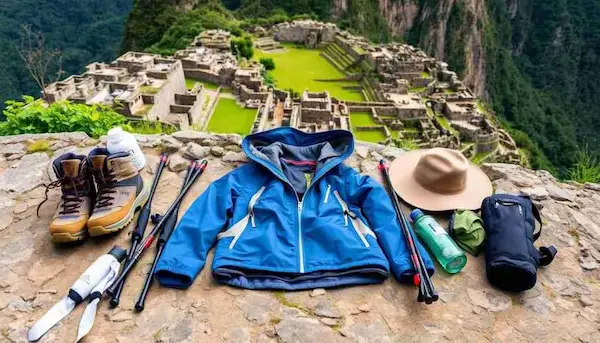
Packing for Peru in January can feel tricky because the weather varies dramatically between regions. The coast is hot and sunny, the Andes are rainy but mild, and the jungle is warm and humid. Preparing for all three climates keeps your trip smooth and comfortable.
Here are the basics to cover all scenarios.
Clothing for heat, rain, and shifting weather
For the coast, bring lightweight clothing, shorts, breathable shirts, and swimwear. A hat and sunglasses will be lifesavers under the strong summer sun. Expect temperatures to rise, especially in northern beaches.
In the highlands, rainproof gear is essential. Pack a light waterproof jacket, quick-dry pants, and sturdy shoes. The days might be warm, but evenings can feel chilly, so layered clothing is the way to go. This mix ensures you’re ready for sunny mornings and rainy afternoons.
Accessories that matter during the wet season
Useful extras include a compact umbrella, a dry bag for electronics, and insect repellent—especially if you’re heading to the jungle or humid areas. Sunscreen is important everywhere, even on cloudy days.
Travelers also appreciate having a microfiber towel, reusable water bottle, and small first-aid kit. These items take little space but make your trip a lot more comfortable, particularly in places with variable weather.
Events and festivities in Peru in January
January is full of energy and celebrations across Peru. Many towns hold traditional festivities that highlight music, food, and local customs, giving travelers a closer look at the country’s cultural diversity.
It’s also the heart of the coastal summer, so cities and beach towns host plenty of warm-weather activities.
Traditional festivities across regions
In the Andes, communities celebrate with colorful dances, regional dishes, and local ceremonies that honor saints or historic events. Even with the rainy season, these gatherings bring towns to life and give travelers a unique chance to see authentic traditions.
Along the coast, smaller cultural events often pop up in plazas and districts. These may include food fairs, music events, and artisan markets—great opportunities to explore Peru beyond the typical tourist circuit.
Summer activities in coastal cities and beaches
Beach towns like Paracas, Punta Hermosa, Máncora, and Zorritos host summer events such as surf competitions, sunset parties, outdoor concerts, and weekend fairs. January is when coastal Peru feels the most festive, with locals and travelers enjoying warm nights, fresh seafood, and open-air entertainment.
Whether you’re traveling with friends, family, or solo, the coastal summer scene makes it easy to meet people and enjoy the relaxed vibe.
Maybe you’d like to read: 25 fascinating facts about Inca Culture
Practical tips for traveling around Peru in January
Traveling in January requires a bit more preparation, but with the right planning, it becomes a rewarding and memorable experience. Whether you’re exploring cities, mountains, or rainforest, staying informed and equipped will help you enjoy every moment.
Here are key tips to help you navigate weather conditions, transportation, and logistics throughout your trip.
What to pack
Pack lightweight waterproof clothing such as rain jackets, ponchos, and quick-drying pants. Comfortable waterproof shoes are essential, especially if you plan to visit mountain or jungle areas. Temperatures in the Andes can drop significantly at night, so adding a few thermal layers will help keep you warm.
Also include waterproof covers for electronics, small dry bags, a flashlight, and a basic first-aid kit. Since rain can be unpredictable, organizing your belongings in separate sealed bags will protect your essentials and keep your gear safe throughout the journey.
How to move around safely
Public transportation and interprovincial buses operate normally during this season, although rain can occasionally delay routes. If you plan to travel by car, it’s best to start trips early, check weather forecasts, and verify road conditions before long drives. In rainy areas, certain routes may experience landslides or temporary closures.
Travelers who embark on long highway routes often keep contact information for roadside support services—not necessarily because they expect an issue, but because it brings peace of mind when driving through unfamiliar or remote areas. In a month where weather can disrupt plans unexpectedly, having reliable assistance can make the journey smoother and safer.
Why Peru in January is totally worth it
Visiting Peru in January is a whole vibe. Yes, it’s rainy in the Andes, but it’s also when the mountains look their best. Yes, it’s hot on the coast, but that’s exactly why it’s perfect for beaches. And yes, you need to plan a bit — but that’s why travelers who choose January end up loving the balance between adventure, authenticity, and fewer crowds. If you’re considering coming this month, dale: Peru in January is waiting for you with full energy.