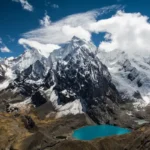
Peru’s landscapes unfold across a spectrum of environmental extremes, from the arid expanses along the Pacific shoreline to the towering Andean ranges and the dense Amazonian canopy. This array of terrains generates a mosaic of atmospheric patterns, each influencing the rhythms of local life and the pursuits of those who venture here. As a gateway to ancient Inca pathways and biodiverse realms, understanding these variations equips travelers to navigate the nation’s offerings with foresight.
This account examines Peru’s multifaceted climates, equipping you with the insights necessary to orchestrate an expedition to this South American domain, where Machu Picchu stands as a pinnacle of human ingenuity amid natural forces. Prepare to engage with a detailed overview of Peru’s weather dynamics.
Overview of Peru’s Climate
Peru’s atmospheric conditions exhibit remarkable diversity, shaped by its coastal fringes, elevated Andean plateaus, and expansive Amazon basin. Multiple seasonal regimes coexist within the country’s borders, demanding adaptability from visitors.
Key takeaways on Peru’s weather include:
- Coastal zones (encompassing Lima, Paracas, northern shores): Predominantly desert-like, with minimal precipitation.
- Elevated warmth and clarity: Approximately December through March.
- Moderated temperatures, overcast, increased moisture: Approximately June through September, featuring garúa (coastal fog in Spanish, influenced by Quechua terms for mist).
- Andean highlands (including Cusco, Sacred Valley—Willka Qhichwa in Quechua, sacred valley—Lake Titicaca, Arequipa): Distinct dry and wet phases.
- Dry interval: April to October, characterized by luminous daylight, chilled evenings, scarce downpours—optimal for foot traversals.
- Wet interval: November to March, yielding verdant terrains, post-noon precipitations, milder nocturnal conditions.
- Amazon rainforest (such as Iquitos, Puerto Maldonado, Manu): Consistently tropical and saturated.
- Heightened precipitation from December to May, moderated aridity from June to November, though sporadic showers persist.
Coastal Climate in Peru
The Pacific-influenced Peruvian littoral maintains an arid profile annually, with abundant illumination in northern and southern segments and persistent cloudiness centrally. Extending from Tumbes northward to Tacna southward, this stretch presents distinctive patterns suited to diverse engagements year-round.
Northern locales like Piura and Tumbes sustain elevated temperatures and clarity predominantly, surpassing 30°C (86°F) during December to March. These areas accommodate shorelines, surfing venues, and marine observations.
- Summer phase (December–March): Intensified warmth, predominant sun, negligible saturation.
- Winter phase (June–September): Reduced warmth, extensive overcast and humidity, marked by garúa.
- Favorable for coastal leisure: Primarily December to March, notably northern shores.
Lima’s Climate
Lima, alongside central hubs like Trujillo, experiences garúa dominance in June to September, sustaining readings between 12°C and 19°C (54°F to 66°F). Summers introduce clarity and agreeable warmth, facilitating shore activities and culinary explorations rooted in oceanic harvests.
Northern Coast (Piura, Tumbes, Máncora)
Persistent warmth and illumination, frequently above 30°C (86°F) in summers. Suited for aquatic sports, cetacean sightings (seasonal by species). Enhanced precipitation during pronounced El Niño episodes, potentially yielding substantial accumulations.
Southern Coast (Paracas, Ica, Nazca)
Arid predominance, with diurnal clarity and nocturnal cooling. Accommodates dune descents, viticultural tours, and fauna surveys, particularly around Paracas. Afternoon gusts common, especially in Paracas vicinities.
As historian Clements Markham documented in his 19th-century surveys of Peru’s coasts, “The arid belts along the Pacific, shaped by cold currents, create oases where human settlement thrives against the desert’s edge, much like ancient cultures adapted to these unforgiving yet fertile margins.”
Highland Climate in Peru
Ascending the Andes alters conditions profoundly, governed by elevation and relief. Cusco presents diurnal luminosity and nocturnal chill annually, ideal for traversals like the Inca Trail—Qhapaq Ñan in Quechua, great road—under variable yet often transparent skies.
Dry Phase (April to October)
Daylight readings span 12°C to 24°C (54°F to 75°F), with evenings plummeting, occasionally below freezing at superior msnm (metros sobre el nivel del mar, meters above sea level). This diurnal oscillation typifies montane zones, where solar input warms effectively, but absent overcast permits rapid thermal loss post-sunset.
Wet Phase (November to March)
Steadier readings accompany augmented saturation. Diurnal spans mirror dry phases at 12°C to 22°C (64°F to 72°F), with evenings tempered by cloud insulation. Favors those seeking lush vistas.
Present Conditions at Machu Picchu
Machu Picchu, within Cusco’s domain, maintains tempered humidity. April to October dry phases yield optimal visits with clarity. November to March brings recurrent yet transient downpours. Readings fluctuate 10°C to 25°C (50°F to 77°F). Humidity necessitates impermeable coverings, solar barriers, and appropriate footgear.
Archaeologist Hiram Bingham, upon documenting Machu Picchu in 1911, observed, “The site’s position in the cloud forest subjects it to mists that enhance its mystery, yet the dry months reveal its structures in full splendor against the Andean heights.”
Amazonian Climate in Peru
The Peruvian Amazon exhibits tropical saturation and warmth perpetually. This biodiverse expanse suits fauna observations and communal interactions, immersing in global respiratory systems.
Wet Phase (December to May)
Principal annual saturation occurs, elevating river levels and complicating access. Flora and fauna flourish vividly, ideal for wildlife immersion.
Moderated Phase (June to November)
Termed “dry,” yet precipitations persist intermittently with lessened vigor. Pathways ease, facilitating avian surveys and indigenous engagements.
Peru’s Climate by Month
| Month | Coast (Lima & shores) | Andes (Cusco, Machu Picchu, Arequipa, Titicaca) | Amazon (Iquitos, Puerto Maldonado) |
|---|---|---|---|
| January | Elevated warmth, clarity, shore suitability; minimal saturation. | Warm daylight, substantial accumulations, verdant elevations. | Intense heat, saturation, frequent downpours. |
| February | Northern heat peaks, active shores. | Augmented saturation; Inca Trail closures; Machu Picchu accessible yet moist. | Heat, moisture, potential tempests. |
| March | Sustained warmth, clarity; autumn onset. | Saturation persists yet ameliorates; blended illumination and showers. | Moisture dominance, elevated waterways. |
| April | Agreeable readings, reduced shore crowds. | Dry phase initiation, verdant terrains, traversal optimality. | Persistent humidity; saturation diminishes. |
| May | Mild warmth, Lima overcast increases. | Arid, luminous daylight, chilled evenings; superior traversal conditions. | Warmth, moderated saturation, lodge suitability. |
| June | Coastal cooling, persistent gray. | Maximal aridity, transparency, profound nocturnal chill; traversal peak. | Warmth, slight moderation, yet humid. |
| July | Coastal nadir, overcast dominance. | June parallels; Inti Raymi crowds and observances. | Warmth, scattered precipitations, fauna visibility. |
| August | Sustained cooling, occasional clearings. | Arid, luminous, chilled evenings; pathway dust accumulation. | Warmth with intermittent showers. |
| September | Coastal warming, augmented clarity. | Cloud increase, sporadic showers. | Warmth, humidity, occasional tempests. |
| October | Enhanced warmth, clarity; transitional. | Dry conclusion; afternoon saturations rise. | Heat, moisture, frequent showers. |
| November | Coastal heat ascent, shore commencement. | Wet phase onset; illumination-shower blend. | Heat-moisture return, substantial saturation. |
| December | Warmth, clarity, shore optimality. | Wet initiation; moderated pathways, verdant outlooks. | Intense warmth, humidity, recurrent saturation. |
Microclimates Across Peru
Peru’s topography fosters localized patterns. The Sacred Valley in Cusco exhibits tempered moderation and lessened saturation versus Cusco proper. Andean pockets may encounter extremes, including glacial deposits and frosts.
- Lake Titicaca (Puno): Diurnal clarity and agreeability at over 3,800 msnm, yet nocturnal extremes in June-July necessitate robust attire.
- Arequipa and Colca Canyon: Predominant aridity and clarity, chilled evenings; intense ultraviolet from elevation.
- Huaraz and Cordillera Blanca: Montane norms—intense sun, nocturnal chill, abrupt high-altitude tempests.
Favorable Periods for Peru Visits
Selections hinge on desired engagements:
- For Machu Picchu and highlands: April to October dry phases favor with clarity.
- For coastal pursuits: December to March summers suit with warmth.
- For Amazon ventures: April to October moderated phases ease access, though saturation lingers.
Seven Premier Cities with Optimal Climates in Peru
These locales merge favorable conditions with cultural and environmental draws:
- Cusco: Tempered patterns, diurnal 20°C (68°F), nocturnal 5°C (41°F)—suited for archaeological surveys.
- Arequipa: Arid clarity, nocturnal 10°C (50°F) to diurnal 25°C (77°F)—colonial explorations.
- Ica: 20°C to 30°C (68°F to 86°F)—dune activities, viticulture.
- Trujillo: 17°C to 26°C (63°F to 79°F)—historical sites, shores.
- Chiclayo: 18°C to 28°C (64°F to 82°F)—remnants, cuisine.
- Tumbes: 25°C to 32°C (77°F to 90°F)—shores, mangroves.
- Tacna: Arid, nocturnal 14°C (57°F) to diurnal 25°C (77°F)—historical immersions.
Essentials for Peru Journeys and Operational Advice
- Identification documents.
- Stratified attire for climatic shifts.
- Breathable garments.
- Impermeable outer or cape.
- Durable ambulatory footgear.
- Head covering.
- Eye shields.
- Solar barrier.
- Compact carrier for outings.
- Electrical converters, mobile energizer.
- Imaging device.
- Portable illuminator.
- Hygiene supplies.
- Sols in notes.
- Support staffs for extended traversals.
Our agency’s private conveyances ensure reliable movement. Local escorts, with profound route expertise, deliver intricate narratives during diverse tours, leveraging their extensive pathway familiarity.