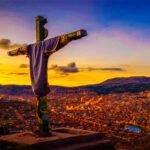
The Pilgrimage to the Lord of Qoylluriti is one of the most important religious and cultural events in Cusco and the Peruvian Andes. This ancient event brings together thousands of worshippers and visitors who, driven by faith, tradition, and a desire for adventure, ascend to more than 4,600 meters above sea level to pay homage to one of the region’s most venerated images. In this blog, we tell you everything you need to know to live this unique experience responsibly and meaningfully.
What is the Pilgrimage to the Lord of Qoylluriti?
The Pilgrimage to the Lord of Qoylluriti is one of the most important syncretic religious celebrations in the Peruvian Andes. This spiritual event blends Catholic devotion with ancestral Andean cosmology, creating a unique expression of faith, identity, and cultural resistance. Each year, thousands of devotees travel to the remote Sinakara sanctuary to honor the revered image of the Lord of Qoylluriti, protector of highland communities and symbol of divine blessing.
Recognized as National Cultural Heritage, this pilgrimage represents the living fusion of Christian belief with the Andean reverence for nature deities such as the apus (sacred mountains). For many Quechua families, this event is an act of gratitude, spiritual renewal, and connection with the land that sustains their livelihoods.
Location and date of the pilgrimage
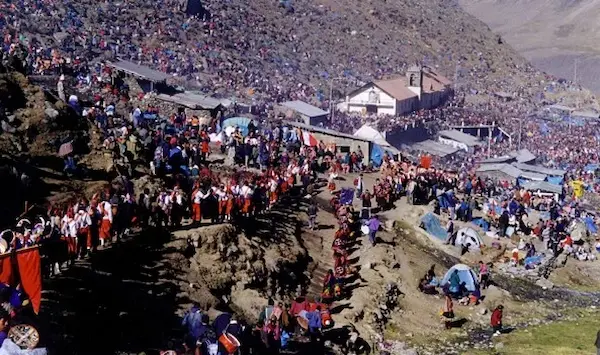
The Pilgrimage to the Lord of Qoylluriti takes place at the Sinakara sanctuary, a sacred natural amphitheater located in the district of Ocongate, province of Quispicanchi, Cusco. Perched at over 4,600 meters above sea level, this site lies in the heart of the Vilcanota mountain range and is surrounded by majestic glaciers and snow-covered peaks.
The celebration occurs annually between May and June, coinciding with the Catholic feast of the Holy Trinity. This time of year marks the transition from the rainy season to the dry Andean winter, when nights are extremely cold and weather conditions demand proper preparation.
Development of the Pilgrimage
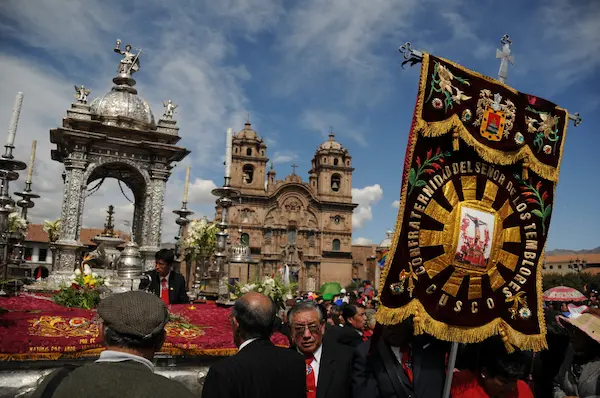
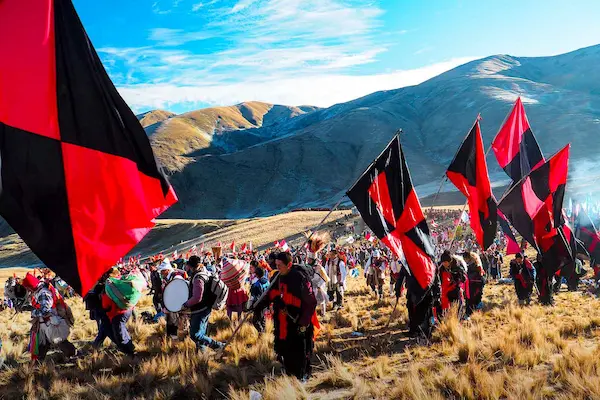
The journey to Sinakara is an essential part of the Pilgrimage to the Lord of Qoylluriti. Thousands of devotees depart from communities throughout Cusco, walking routes that range from four to eight hours depending on the starting point. The path is accompanied by vibrant processions, sacred music, and dancers representing cultural brotherhoods.
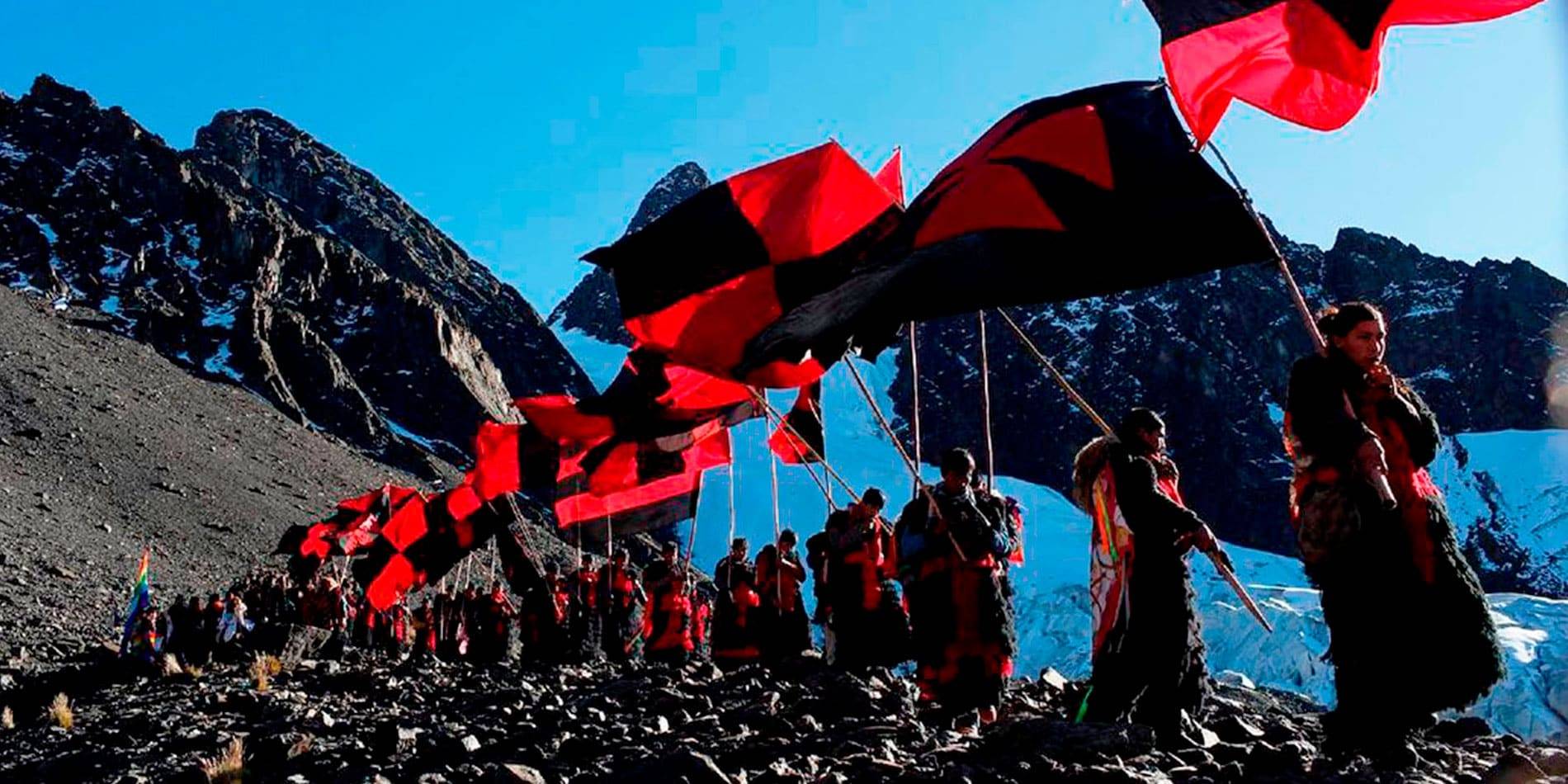
Among the most symbolic participants are the “pabluchas” or ukukus, characters who embody the protective spirits of the glaciers. They climb toward the icy peaks to make offerings to the apus, reinforcing the ancient Andean relationship between humans and nature. Once in the sanctuary, pilgrims take part in masses, vigils, processions, dance rituals, and moments of collective and personal devotion.
Religious and cultural significance
The heart of the Pilgrimage to the Lord of Qoylluriti lies in its deep spiritual symbolism. For Andean communities, the pilgrimage preserves the Andean worldview, where nature, people, and divinity are interconnected. Honoring the apus and Pachamama is not only a ritual—it is an affirmation of identity and continuity of ancestral knowledge.
At the same time, Catholic devotees view the pilgrimage as an expression of faith in Christ and the miracles attributed to the Lord of Qoylluriti. This duality—Andean and Christian—creates a profound syncretic landscape in which spirituality transcends institutional boundaries and becomes a shared cultural celebration.
Recommendations for Visitors
Preparing properly is essential to fully enjoy the Pilgrimage to the Lord of Qoylluriti, especially given the altitude, climate, and spiritual environment of Sinakara. Below are detailed recommendations to ensure a safe.
Acclimatize in Cusco for at least two days before the pilgrimage
Cusco sits at more than 3,300 meters above sea level, making it the perfect place to adapt before ascending to the 4,600 meters of Sinakara. Spending at least 48 hours in the city helps your body adjust gradually, reducing the risk of altitude sickness. Take it easy, stay hydrated, and avoid heavy meals or alcohol during this period.
Bring warm clothing suitable for sub-zero temperatures
Nights in Sinakara can drop well below freezing, especially during the early morning vigils. Dress in layers so you can adapt to changing temperatures throughout the day. Essential items include thermal underwear, a windproof jacket, gloves, a warm hat, and thick socks. Proper gear will keep you comfortable and protected against harsh weather.
Wear sturdy, non-slip trekking shoes
The pilgrimage routes are rugged, uneven, and in some cases icy. Using trekking shoes with good ankle support and reliable grip is crucial for maintaining stability and preventing slips. Break in your shoes beforehand to avoid blisters during the hike.
Carry a flashlight, water, energy-boosting food, and altitude medication
Night processions and early departures require a reliable light source—headlamps are ideal. Bring enough water to stay hydrated during the ascent, as well as high-calorie snacks like nuts, chocolate, or energy bars. If you are prone to altitude sickness, consult a doctor about preventive medication (such as acetazolamide) and always carry basic first-aid items.
Respect the customs and rituals of local pilgrims
The pilgrimage is a deeply spiritual event for Andean communities. Participate with an attitude of respect: avoid interrupting ceremonies, ask before taking photographs, and follow the guidance of community leaders or local authorities. Remember that you are entering a sacred space where tradition and faith are central to the experience.
Tourism impact and sustainability
While tourism has brought economic opportunities to local communities, the increase in visitors also raises concerns regarding environmental and cultural preservation. To ensure the Pilgrimage to the Lord of Qoylluriti remains a sustainable practice, travelers should:
- Avoid leaving waste along the route.
- Respect sacred spaces and traditional practices.
- Support local guides, porters, and community services.
Responsible tourism helps protect both the natural landscape and the spiritual significance of this living tradition.
Final tips for living the experience
- The best time to visit is between May and June.
- Specialized travel agencies can be hired to provide logistics and experienced guides.
- Good physical and mental preparation is recommended, due to the altitude and the demanding nature of the hike.
Frequently Asked Questions (FAQ)
Before joining the Pilgrimage to the Lord of Qoylluriti, many visitors—whether they are first-time travelers or experienced trekkers—usually have questions about logistics, safety, preparation, and cultural aspects of the journey. This FAQ section compiles the most common inquiries to help you plan your visit with confidence and understand what to expect during this powerful Andean pilgrimage.
When does the pilgrimage take place?
The Pilgrimage to the Lord of Qoylluriti is celebrated every year between May and June, coinciding with the Catholic feast of the Holy Trinity. This period marks the beginning of the dry season in the Andes, which makes the route more accessible for pilgrims and visitors. However, temperatures during this time can be extremely cold at night, so proper preparation is essential.
Is it dangerous to visit Sinakara?
Visiting the Sinakara sanctuary is generally safe as long as you are well-acclimatized and prepared for high-altitude conditions. The biggest risks are the thin air, which can cause altitude sickness, and the freezing temperatures that drop below zero during the night. Traveling with experienced guides, walking slowly, staying hydrated, and recognizing early symptoms of altitude sickness will help ensure a safe experience.
How long is the hike?
The duration of the trek varies depending on the selected route and the physical condition of the visitor. On average, the hike takes between 4 and 8 hours. The trail includes steep sections and rugged terrain, but it is walked by thousands of pilgrims every year, including families and older adults. Taking breaks along the way and maintaining a steady pace makes the walk manageable for most people.
Can tourists participate even if they are not devotees?
Yes. Tourists are welcome to join the Pilgrimage to the Lord of Qoylluriti even if they are not part of the religious tradition. However, it is crucial to participate with a respectful attitude toward the rituals, dancers, processions, and sacred spaces. Observing without interfering, avoiding flash photography during ceremonies, and honoring the cultural significance of the pilgrimage helps maintain harmony with local communities.
What should I bring?
To ensure a safe and comfortable experience, it is recommended to bring:
- Warm, layered clothing suitable for extreme cold
- Trekking shoes with good grip
- Water and high-calorie snacks to maintain energy
- Altitude sickness medication and personal medicines
- A flashlight or headlamp, especially for night vigils
- Rain gear in case of unpredictable weather
- A small backpack to carry essentials without excess weight
These items will help you stay warm, hydrated, and prepared throughout the journey.
A final reflection on the Pilgrimage to the Lord of Qoylluriti
The Pilgrimage to the Lord of Qoylluriti is much more than a hike or a religious event; it’s an experience that connects visitors with the spiritual essence of the Peruvian Andes. Participating in this festival is a unique opportunity to understand the cultural richness and strength of faith that endures in the mountains of Cusco.
Would you like to experience this unique experience in the Peruvian Andes? Contact us and organize your participation in the Pilgrimage to the Lord of Qoylluriti in a safe and culturally respectful manner.